

TB-500 | 10mg | 3ml
TB‑500 is a synthetic peptide based on the active region of thymosin beta‑4, designed for controlled experimental use in studies focused on actin‑binding behaviour, cellular migration, and cytoskeletal organisation. It serves as a research analogue for examining how thymosin beta‑4–related sequences influence structural and motility‑associated cellular processes. In biochemical and cell‑based research systems, peptides derived from thymosin beta‑4 are evaluated for their ability to interact with G‑actin, affecting actin polymerisation and broader cytoskeletal remodelling. The responses observed in experimental models vary according to peptide concentration, exposure time, cell type, and overall study design.
Strength
10mg
Concentration
3.33 mg/ml
Purity
≥99% HPLC
COA
Included
Buy more, pay less
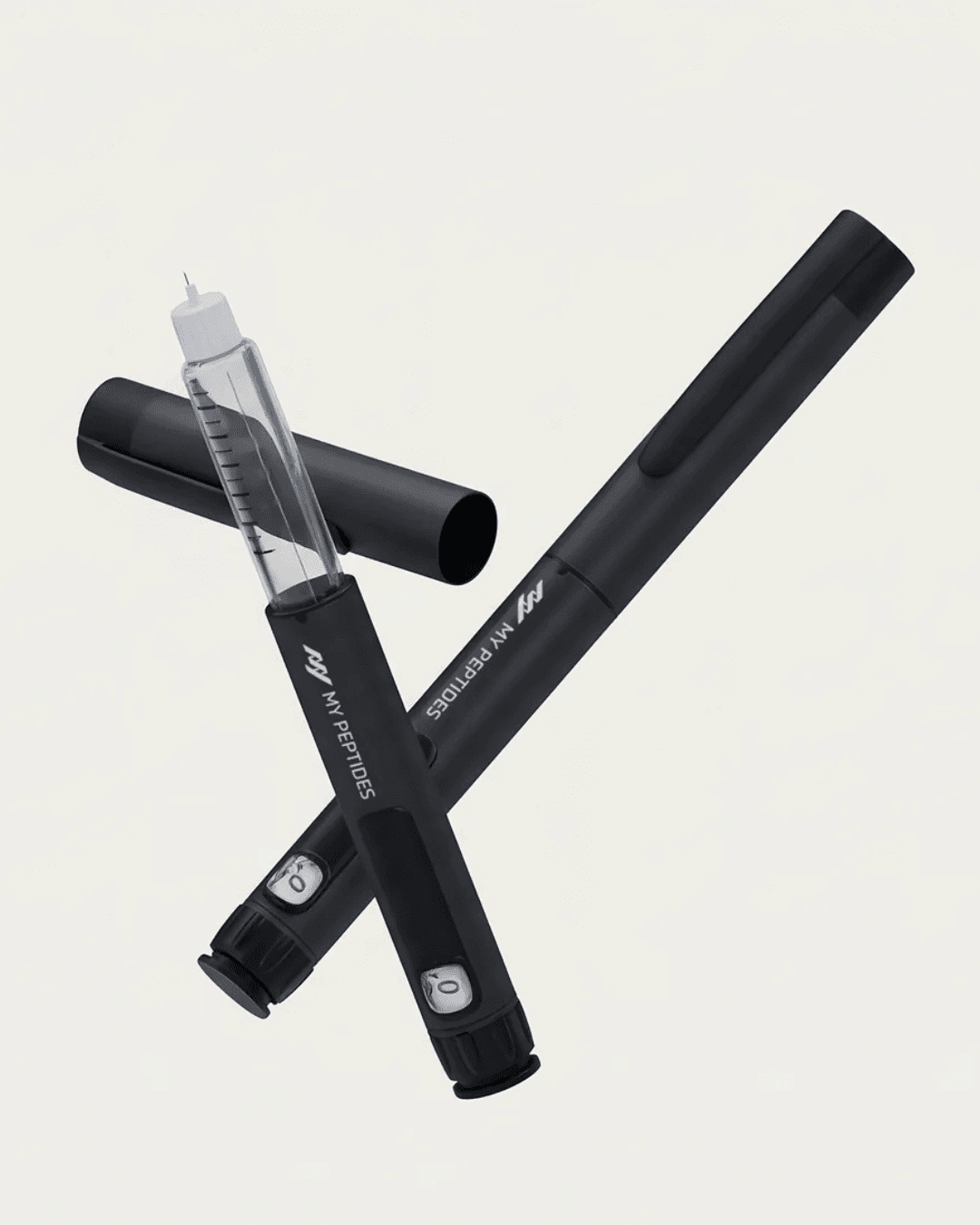
Free Metal pen, worth £25
A reusable pen is added free to your order, automatically.
- Same-day UK dispatch on orders placed before 3pm GMT.
- Free UK shipping over £100, tracked and next working day.
- Cold-chain packed: sealed foil pouch, ice packs, plain outer box.
- Batch-specific Certificate of Analysis included.
| Designation | Thymosin β4 active fragment |
| CAS Number | 885340-08-9 |
| Molecular Formula | C₃₈H₆₈N₁₀O₁₄ |
| Molecular Weight | 889.0 g/mol |
| Strength | 10mg |
| Concentration | 3.33 mg/ml |
| Presentation | 3ml Vial |
| Appearance | Clear liquid |
| Purity | ≥99% (HPLC) |
| Storage | Must be kept in a refrigerator at 2°C–8°C for optimal potency. |
| Certificate of Analysis | Batch-specific COA included |
How we ship it
Every pre-mixed vial leaves the UK cold and arrives in a plain box. Refrigerate on arrival at 2–8 °C.
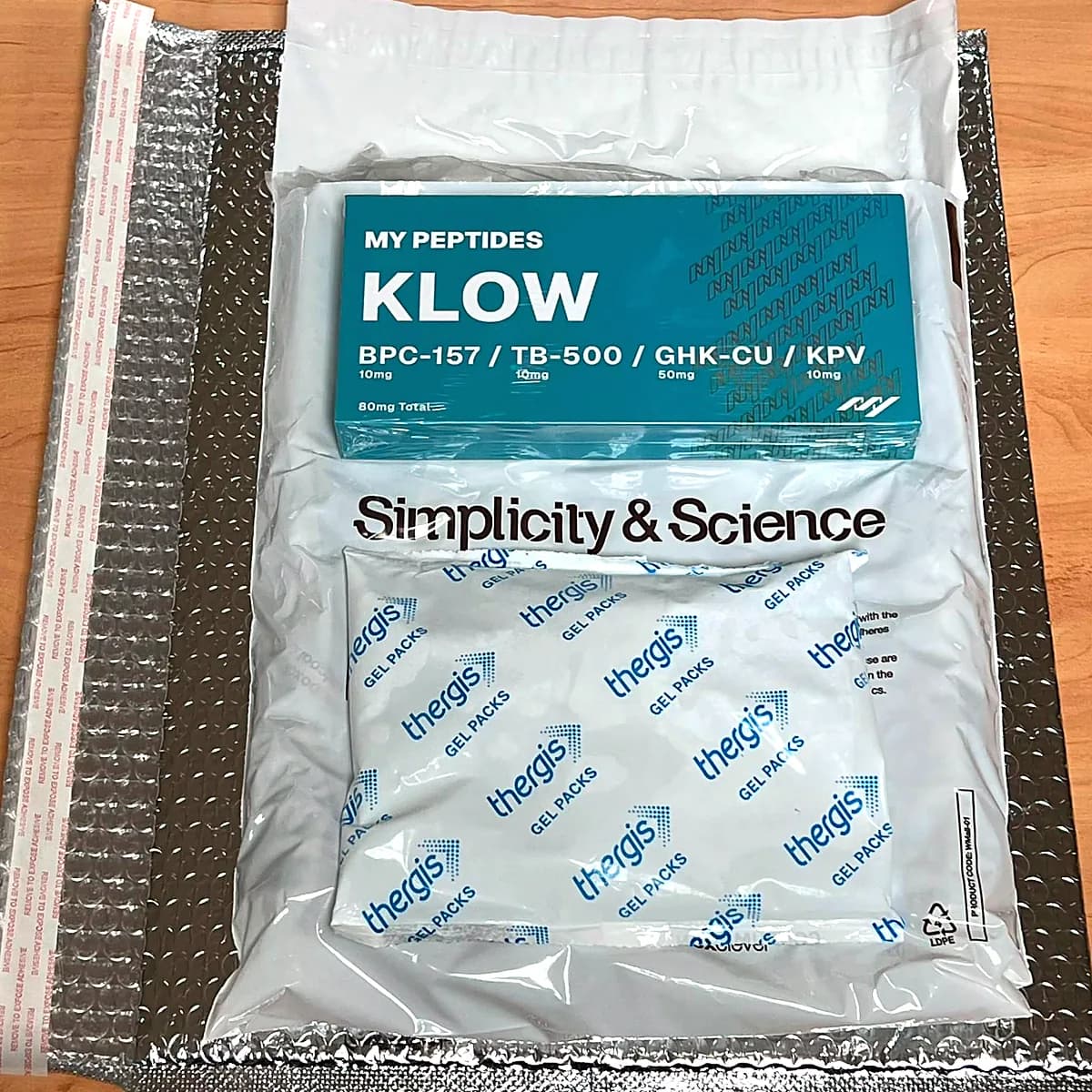
Chilled
Vials travel with frozen gel packs inside a sealed foil pouch, which holds temperature for roughly seven days in transit.
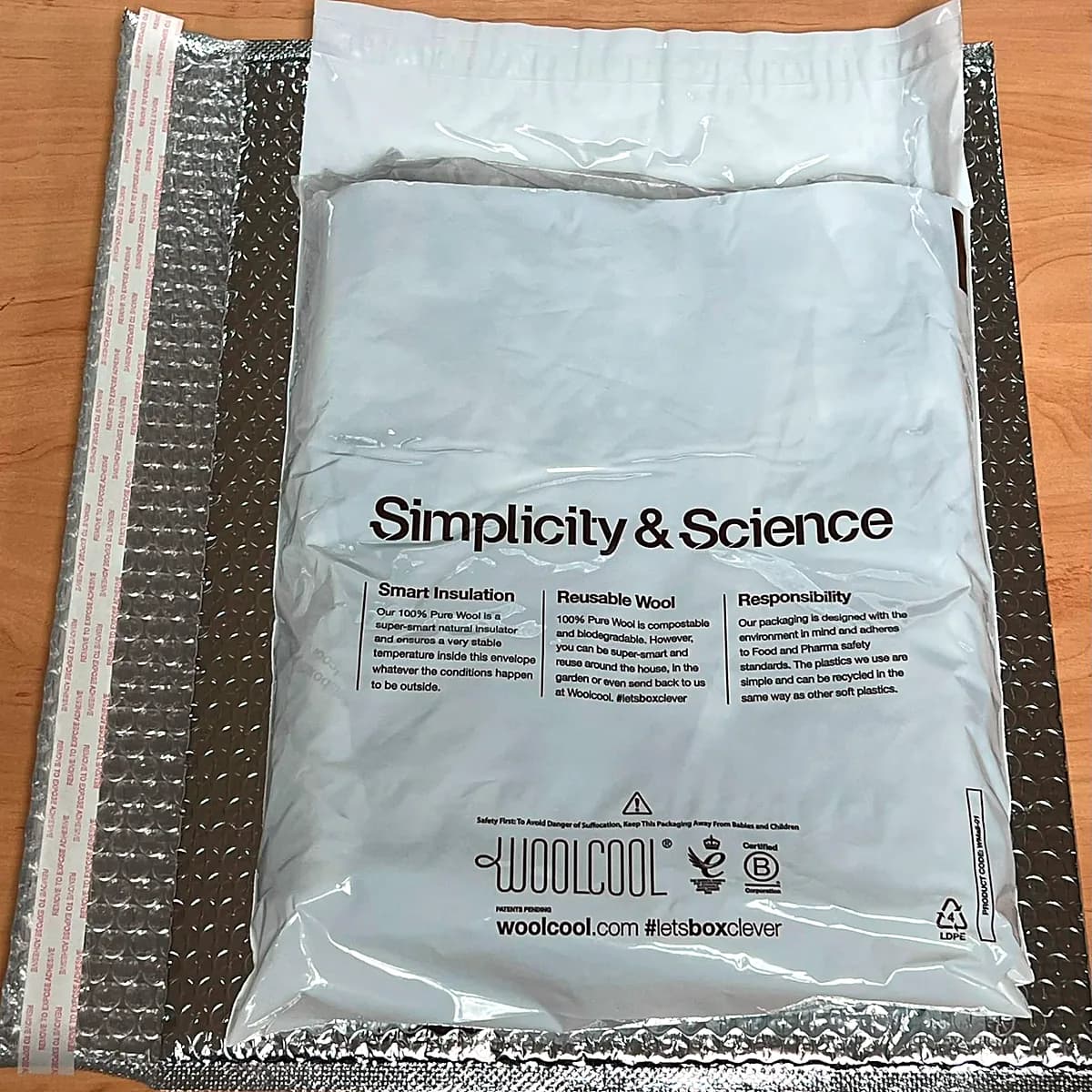
Insulated
The pouch sits inside a wool-lined envelope, so the cold chain survives a normal courier journey.
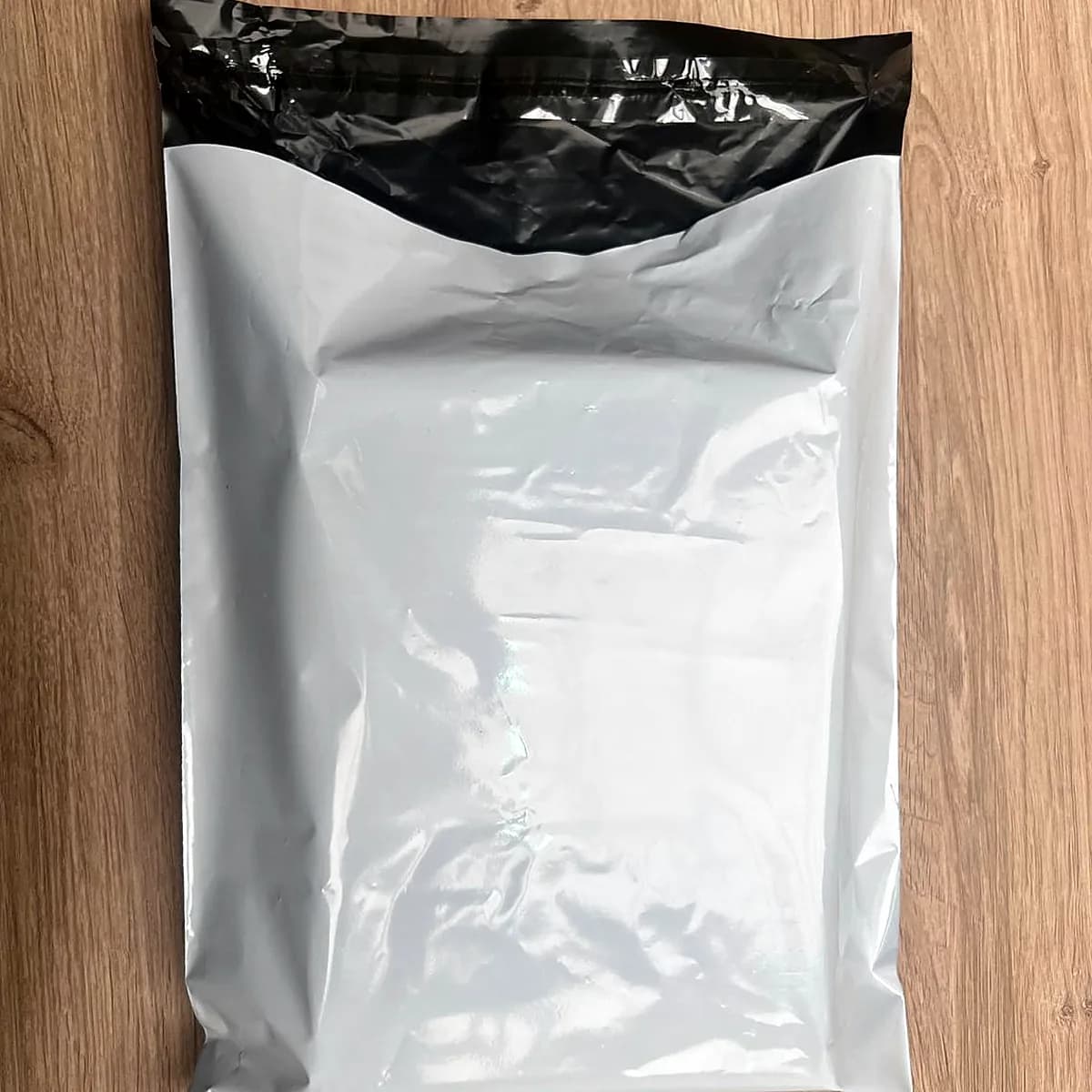
Discreet
Plain outer box with no branding and nothing on the label that names the contents.
Same-day dispatch
Order before 3pm GMT, Monday to Friday.
Free over £100
Tracked UK delivery, next working day.
2–8 °C on arrival
Refrigerate as soon as the parcel lands.
TB-500
£100.00 · Qty 1
TB-500 (TB500): chemistry, format and quality
TB-500 — also written TB500 or TB 500 — is a synthetic peptide corresponding to the actin-binding region of thymosin beta-4 (Tβ4), the 43-residue protein that sequesters monomeric actin inside cells. It is not the whole protein: it is the short fragment that carries the actin-binding motif, used as a research analogue for studying what thymosin-beta-4-related sequences do to actin dynamics, cell migration and cytoskeletal organisation. Ours is supplied pre-mixed as a solution in a sealed 3 ml vial, 10mg per vial, HPLC-verified with a batch Certificate of Analysis, synthesised and dispatched from our UK facility.
Research use only. TB-500 is supplied strictly for in-vitro laboratory research. This page describes chemistry, format, quality and handling. It does not describe dosing, administration or use in humans or animals, and makes no therapeutic claims.
TB-500 at a glance
| Compound | TB-500, synthetic thymosin beta-4 fragment (actin-binding region) |
| Strength | 10mg in a 3 ml sealed vial |
| Format | Pre-mixed solution — no powder, no reconstitution step |
| Reference values | C₃₈H₆₈N₁₀O₁₄ · 889.0 g/mol · CAS 885340-08-9 (from the batch certificate) |
| Appearance | Clear liquid (recorded on the batch certificate) |
| Purity | ≥99% by HPLC, verified per batch |
| Certificate of Analysis | Batch-specific COA with every order; samples in the COA library |
| Storage | 2–8 °C, sealed, protected from light; do not freeze |
| Origin | Synthesised and dispatched from our UK facility |
TB-500, TB500, TB-4 and thymosin beta-4: which is which
The names get mixed up constantly, and the difference is not cosmetic. Thymosin beta-4 (Tβ4, sometimes TB-4) is the full 43-amino-acid protein, about 4,960 g/mol, found in most cell types as the main actin-sequestering molecule. TB-500 is the synthetic fragment built around the region of that protein that binds actin, at 889 g/mol — roughly a fifth of the parent's size. TB500 and TB 500 are the same fragment written without the hyphen. A certificate that reports the fragment's formula and mass, as ours does, is describing TB-500; one reporting a protein of about 5 kDa is describing thymosin beta-4. The TB-500 guide covers the distinction in detail.
How TB-500 is studied
The organising idea in the literature is actin. Thymosin-beta-4-derived sequences bind G-actin and influence how it polymerises into filaments, so TB-500 is used in in-vitro work on actin dynamics and cytoskeletal regulation, in cell-migration assays where structural reorganisation is the readout, and in preclinical models that examine tissue architecture and repair-related signalling. It also serves as a reference peptide for research involving thymosin beta-4 and related actin-binding sequences. Responses reported in these systems vary with peptide concentration, exposure time, cell type and study design; they are laboratory observations, not established effects in humans or animals.
TB-500 and BPC-157
The two are compared and combined more than any other pair in this catalogue, for a simple reason: they are different molecules with different mechanisms. BPC-157 is a stand-alone 15-residue peptide studied as a probe for peptide-mediated signalling; TB-500 is a fragment modelled on a larger actin-binding protein. Our BPC-157 vs TB-500 comparison sets the two side by side, and the Wolverine Stack supplies them together, 10mg of each, in one pre-mixed vial. TB-500 is also one of the three components of GLOW and one of the four in KLOW.
Pre-mixed TB-500 vs lyophilised
Most UK suppliers ship TB-500 as a lyophilised powder that has to be reconstituted with bacteriostatic water. Ours is supplied already in solution: no reconstitution step, no bacteriostatic water to buy, and the concentration shown in the key facts above holds for every vial in the batch. A solution has to stay cold, so every vial ships chilled in an insulated pouch, goes into a 2–8 °C refrigerator on arrival, and should be used within the storage window on the label.
TB-500 is prohibited in competitive sport
Thymosin beta-4 and its derivatives, TB-500 among them, are named on the World Anti-Doping Agency's Prohibited List. That has no bearing on laboratory supply, but it explains why anti-doping bodies appear on the first page of results for this compound, and it is one more reason the material is supplied for in-vitro research only.
Quality: HPLC purity and the Certificate of Analysis
TB-500 is one of the products whose chemistry on this page comes directly from the laboratory certificate. Every batch is verified by HPLC at 99%+ purity, the certificate records the measured value and the appearance for that batch, and a batch-specific COA ships with every order. Sample certificates are viewable in the COA library before you buy.
Storage and handling
- Refrigerate at 2–8 °C on arrival; keep the vial sealed and protected from light.
- Do not freeze. Freeze–thaw cycling damages peptides already in solution.
- Draw from the vial with standard aseptic laboratory technique.
- Check the certificate for the recorded appearance and the storage window for that lot.
Buying TB-500 in the UK: what to check
- Fragment or full protein. The certificate's formula and mass tell you which you are buying.
- Mass per vial and, for a solution, the concentration.
- A batch-specific Certificate of Analysis naming the batch and method, viewable before you order.
- Format. Powder needs bacteriostatic water and a reconstitution step; a pre-mixed solution needs cold-chain delivery and a refrigerator.
- Legal status. TB-500 is lawful to buy and possess in the UK for laboratory research. It is not a licensed medicine, and every vial is supplied and labelled for in-vitro research use only.
TB-500: research FAQs
- What is TB-500?
- TB-500 is a synthetic peptide based on the active region of thymosin beta-4, a naturally occurring actin-binding protein. It belongs to the family of thymosin beta-4-related sequences and serves as a research analogue for studying that class of peptides. It is supplied strictly for in-vitro laboratory research use only, not for human or veterinary use.
- What is TB-500 studied for in research?
- In biochemical and cell-based research systems, thymosin beta-4-derived peptides have been investigated in preclinical work for their ability to interact with G-actin, influencing actin polymerisation and broader cytoskeletal reorganisation. In-vitro and preclinical models have also examined their relationship to cell migration and the structural organisation of the cytoskeleton. These are laboratory observations only; the responses recorded vary with peptide concentration, exposure time, cell type and study design.
- Is TB-500 legal to buy in the UK?
- TB-500 is legal to buy and possess in the UK for laboratory research purposes. It is not a licensed medicine and cannot be sold for human consumption. Every unit ships labelled for in-vitro research use only.
- What purity is your TB-500, and is it lab-tested?
- Our TB-500 is verified at 99%+ purity by HPLC analysis. The figure printed on each batch's Certificate of Analysis is the actual lab-recorded value for that batch, not a marketing claim. It is synthesised and dispatched from our own UK facility.
- Does TB-500 come with a Certificate of Analysis?
- Yes, a batch-specific Certificate of Analysis (COA) ships with every order. You can also view sample COAs in our COA library before purchasing, so the documentation can be reviewed in advance.
- How is TB-500 supplied, stored and handled for research?
- TB-500 is supplied as a pre-mixed solution in a sealed vial — no reconstitution step is required. Its batch Certificate of Analysis records the appearance as a clear liquid. Refrigerate at 2°C–8°C, keep the vial sealed and away from light, and do not freeze it: freeze-thaw cycling can damage peptides already in solution. Handling should follow standard aseptic laboratory practice within an appropriate research setting.
- Is TB500 the same as TB-500 and thymosin beta-4?
- TB500 and TB 500 are the same fragment as TB-500, written without the hyphen. Thymosin beta-4 (Tβ4, sometimes TB-4) is the full 43-amino-acid protein, about 4,960 g/mol; TB-500 is the synthetic fragment corresponding to its actin-binding region, at 889 g/mol, which is what our batch certificate records. Anyone comparing suppliers should check which of the two the certificate describes.
- Is your TB-500 pre-mixed or a powder?
- Pre-mixed. Most UK suppliers ship TB-500 as a lyophilised powder to reconstitute with bacteriostatic water; ours is supplied already in solution in a sealed 3 ml vial, so there is no reconstitution step. It ships cold-chain, is refrigerated at 2°C–8°C on arrival, must not be frozen, and should be used within the storage window on the label.
- What is the difference between TB-500 and BPC-157?
- They are different molecules with different mechanisms. BPC-157 is a stand-alone fifteen-residue peptide studied as a probe for peptide-mediated signalling; TB-500 is a fragment modelled on the actin-binding region of thymosin beta-4 and is studied for actin dynamics and cell migration. They are compared side by side in our BPC-157 vs TB-500 guide and supplied together, 10mg of each, in the Wolverine Stack — strictly for in-vitro research.
Research guides
Tools
Disclaimer: Products sold on this website are intended for research and laboratory use only. They are not intended for human or animal consumption. Purchasers must be at least 18 years of age. By using this site, you agree to our Terms & Conditions.