

PT-141 (Bremelanotide) | 20mg | 3ml
PT‑141 (also known as bremelanotide) is a synthetic cyclic heptapeptide melanocortin‑receptor agonist derived structurally from Melanotan II. It is produced by modifying the C‑terminus of the MT‑II scaffold — replacing the terminal amide with a hydroxyl group — yielding a related cyclic peptide with a distinct receptor‑selectivity profile while retaining the lactam‑bridged, enzymatically stable architecture of its parent compound. These properties make PT‑141 a well‑defined reference peptide for studying melanocortin signalling under controlled laboratory conditions.\n\nIn biochemical and cellular research systems, PT‑141 acts as an agonist at the centrally expressed melanocortin receptors MC3R and MC4R, with comparatively higher potency at MC4R and substantially reduced activity at MC1R relative to Melanotan II. This shift toward MC4R selectivity makes PT‑141 a useful tool for isolating MC4R‑mediated signalling — including G‑protein‑coupled cAMP and phospholipase‑C cascades, intracellular calcium flux, and ERK/MAPK pathway activation — within neuronal and receptor‑expressing model systems. The molecular responses observed vary with receptor subtype, concentration, exposure time, and experimental model, and PT‑141 is used to characterise melanocortin‑receptor signalling rather than to infer defined biological or physiological outcomes.
Strength
20mg
Concentration
6.67 mg/ml
Purity
≥99% HPLC
COA
Included
Buy more, pay less
- Same-day UK dispatch on orders placed before 3pm GMT.
- Free UK shipping over £100, tracked and next working day.
- Cold-chain packed: sealed foil pouch, ice packs, plain outer box.
- Batch-specific Certificate of Analysis included.
| Designation | Cyclic melanocortin heptapeptide (bremelanotide) |
| CAS Number | 189691-06-3 |
| Molecular Formula | C₅₀H₆₈N₁₄O₁₀ |
| Molecular Weight | 1025.2 g/mol |
| Sequence | Ac-Nle-cyclo[Asp-His-D-Phe-Arg-Trp-Lys]-OH |
| Strength | 20mg |
| Concentration | 6.67 mg/ml |
| Presentation | 3ml Vial , Pen and Needles |
| Purity | ≥99% (HPLC) |
| Storage | Must be kept in a refrigerator at 2°C–8°C for optimal potency. |
| Certificate of Analysis | Batch-specific COA included |
How we ship it
Every pre-mixed vial leaves the UK cold and arrives in a plain box. Refrigerate on arrival at 2–8 °C.
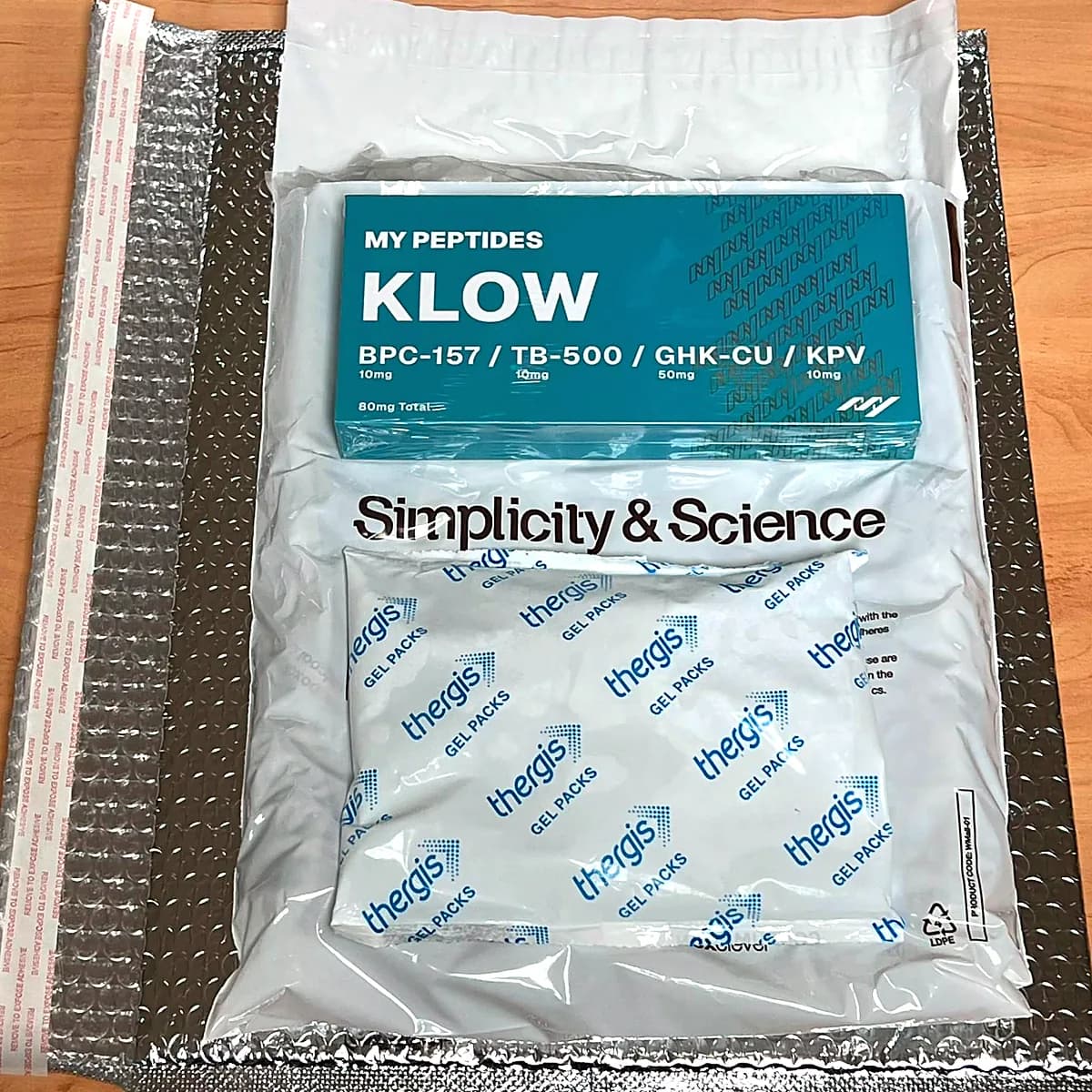
Chilled
Vials travel with frozen gel packs inside a sealed foil pouch, which holds temperature for roughly seven days in transit.
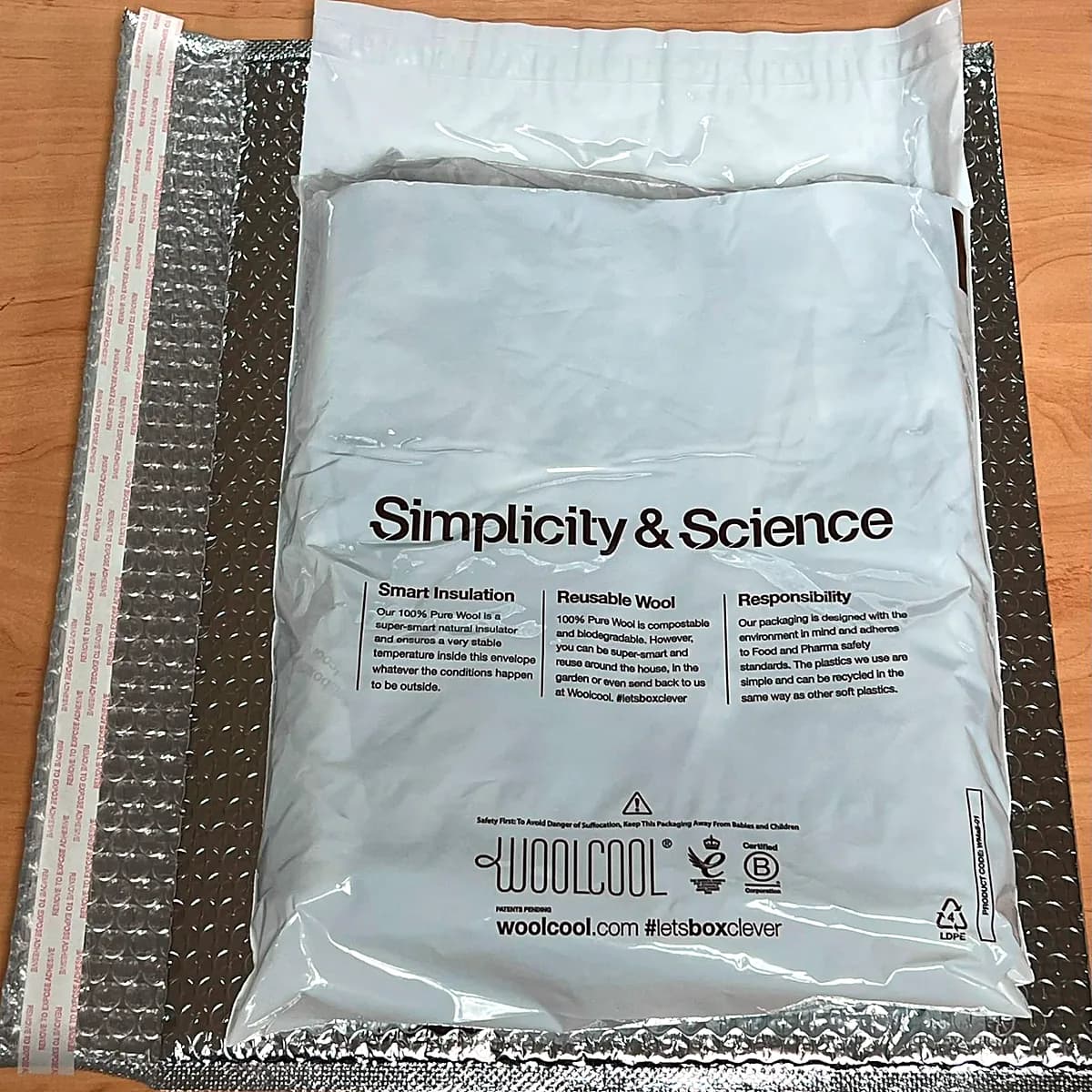
Insulated
The pouch sits inside a wool-lined envelope, so the cold chain survives a normal courier journey.
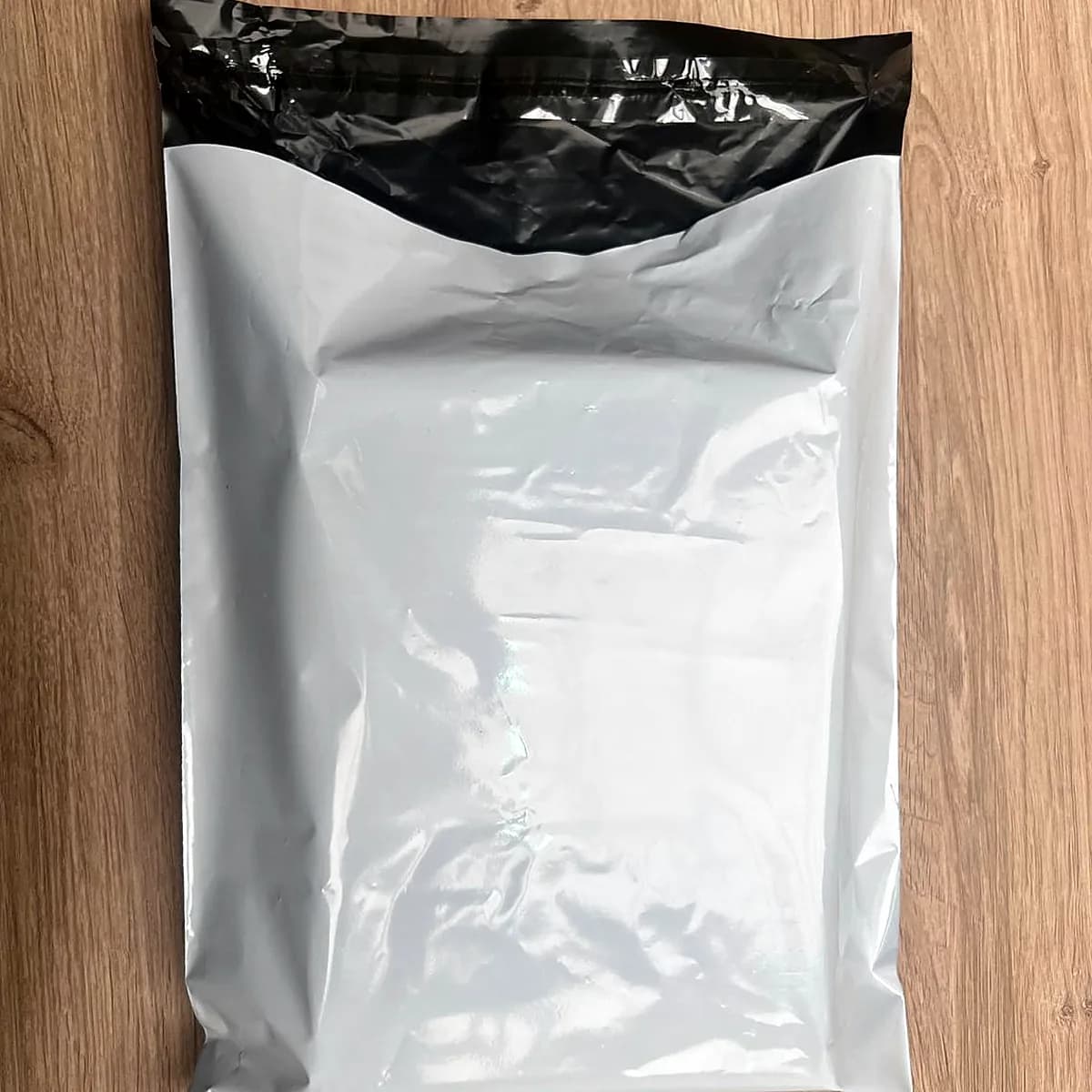
Discreet
Plain outer box with no branding and nothing on the label that names the contents.
Same-day dispatch
Order before 3pm GMT, Monday to Friday.
Free over £100
Tracked UK delivery, next working day.
2–8 °C on arrival
Refrigerate as soon as the parcel lands.
PT-141
£100.00 · Qty 1
PT-141 (bremelanotide): chemistry, format and quality
PT-141, also called bremelanotide and written PT141 or PT 141, is a synthetic cyclic heptapeptide melanocortin-receptor agonist. Structurally it is a close relative of Melanotan 2: the same seven-residue, lactam-bridged scaffold, differing at a single position on the C-terminus — and that one change is what gives it a distinct receptor-selectivity profile. Ours is supplied pre-mixed as a solution in a sealed 3 ml vial, 20mg per vial, HPLC-verified with a batch Certificate of Analysis, synthesised and dispatched from our UK facility.
Research use only. PT-141 is supplied strictly for in-vitro laboratory research. This page describes chemistry, format, quality and handling. It does not describe dosing, administration or use in humans or animals, and makes no therapeutic claims.
PT-141 at a glance
| Compound | PT-141 (bremelanotide) — cyclic melanocortin heptapeptide |
| Sequence | Ac-Nle-cyclo[Asp-His-D-Phe-Arg-Trp-Lys]-OH |
| Strength | 20mg in a 3 ml sealed vial |
| Format | Pre-mixed solution — no powder, no reconstitution step |
| Reference values | C₅₀H₆₈N₁₄O₁₀ · 1025.2 g/mol · CAS 189691-06-3 |
| Purity | ≥99% by HPLC, verified per batch |
| Certificate of Analysis | Batch-specific COA with every order; samples in the COA library |
| Storage | 2–8 °C, sealed, protected from light; do not freeze |
| Origin | Synthesised and dispatched from our UK facility |
What PT-141 is, chemically
Seven residues, one of them acetylated at the N-terminus, and a lactam bridge closing Asp to Lys into a ring. Two of the residues are non-standard on purpose: norleucine (Nle) in place of methionine, and D-phenylalanine rather than the L isomer. Both substitutions, together with the cyclisation, make the molecule far more resistant to enzymatic degradation than a linear peptide of the same length — which is precisely what a reference compound needs to be, since a reagent that degrades during an assay is not measuring what the experiment thinks it is.
The C-terminus is a free acid (-OH). That single detail is the whole difference between this compound and its parent scaffold, and it is covered in the next section.
PT-141 vs Melanotan 2: one atom's worth of difference
The two share an identical cyclic scaffold and differ only at the C-terminal group:
| Melanotan 2 (MT-II) | PT-141 (bremelanotide) | |
|---|---|---|
| Sequence | Ac-Nle-cyclo[Asp-His-D-Phe-Arg-Trp-Lys]-NH₂ | Ac-Nle-cyclo[Asp-His-D-Phe-Arg-Trp-Lys]-OH |
| C-terminus | Amidated | Free acid |
| Formula | C₅₀H₆₉N₁₅O₉ · 1024.2 g/mol | C₅₀H₆₈N₁₄O₁₀ · 1025.2 g/mol |
| Receptor profile | Broad agonist across MC1R, MC3R, MC4R and MC5R | Shifted toward MC4R, with markedly reduced MC1R activity |
Replacing the terminal amide with a hydroxyl changes the molecular mass by about one unit and the receptor-selectivity profile substantially. That is the reason the pair is used comparatively so often: they are as close to a controlled single-variable comparison as two distinct research compounds get, which makes them a standard way to attribute an observation to MC4R rather than to melanocortin signalling in general. We supply both, with matching documentation.
How PT-141 is studied
In biochemical and cell-based systems PT-141 is used as an MC3R/MC4R agonist, with comparatively higher potency at MC4R and substantially reduced activity at MC1R relative to the broad-spectrum scaffold. That selectivity makes it a tool for isolating MC4R-mediated signalling: G-protein-coupled cAMP accumulation, phospholipase-C cascades, intracellular calcium flux and ERK/MAPK activation in receptor-expressing and neuronal cell models. It also appears in structure–activity relationship work on cyclic α-MSH analogues, where the amide-versus-acid comparison above is the variable under study. Responses reported in these systems vary with receptor subtype, concentration, exposure time and model; they are laboratory observations only, and are not established effects in humans or animals. The PT-141 guide covers the literature in more depth.
PT-141, PT141, PT 141, bremelanotide: one compound
The naming is messier than it needs to be, and it costs buyers time when comparing listings. Bremelanotide is the international non-proprietary name — the systematic, assigned name for the molecule. PT-141 is the development code that stuck, and it is what research suppliers almost universally catalogue it under; PT141 and PT 141 are the same code written without the hyphen. All four refer to one compound with one CAS number, 189691-06-3, and one formula. If two listings quote different CAS numbers or different masses for "PT-141", one of them is describing something else.
Worth separating from that list: PT-142 and other numbered variants that occasionally appear are distinct compounds, not spellings of this one.
Pre-mixed PT-141 vs lyophilised
Most UK listings for PT-141 are lyophilised powders that have to be reconstituted with bacteriostatic water. Ours is supplied already in solution: no reconstitution step, no bacteriostatic water to source separately, and the concentration shown in the key facts above holds for every vial in the batch. A solution must stay cold — vials ship chilled in an insulated pouch, go into a 2–8 °C refrigerator on arrival, and should be used within the storage window on the label rather than held as shelf stock.
Quality: HPLC purity and the Certificate of Analysis
Every PT-141 batch is verified by HPLC at 99%+ purity, and the figure on the Certificate of Analysis is the value recorded for that batch rather than a generic claim. A batch-specific COA ships with every order, and sample certificates are viewable in the COA library before you buy. Because PT-141 and the MT-II scaffold differ by about one mass unit, the certificate is also the only practical way to confirm which of the two is in a vial — a point worth pressing with any supplier who cannot produce one.
Storage and handling
- Refrigerate at 2–8 °C on arrival; keep the vial sealed and protected from light.
- Do not freeze. Freeze–thaw cycling damages peptides already in solution.
- Draw from the vial with standard aseptic laboratory technique.
- Check the certificate for the recorded appearance and the storage window for that lot.
Buying PT-141 in the UK: what to check
- Which scaffold. PT-141 and MT-II differ by roughly one mass unit; only a certificate reporting the measured mass distinguishes them.
- Mass per vial and, for a solution, the concentration.
- A batch-specific Certificate of Analysis naming the batch, the method and the appearance, viewable before you order.
- Format. Powder needs bacteriostatic water and a reconstitution step; a pre-mixed solution needs cold-chain delivery and a refrigerator.
- Legal status. PT-141 is not a licensed medicine in the United Kingdom. It is supplied here strictly as a laboratory reference compound for in-vitro research, labelled for that use, and is not supplied for human or veterinary use.
PT-141: research FAQs
- What is PT-141?
- PT-141, also known as bremelanotide, is a synthetic cyclic heptapeptide melanocortin-receptor agonist derived structurally from Melanotan II. Replacing the C-terminal amide of the MT-II scaffold with a hydroxyl group yields a related cyclic peptide with a distinct receptor-selectivity profile, while retaining the lactam-bridged, enzymatically stable architecture. It is supplied strictly for in-vitro laboratory research use only.
- What is PT-141 studied for in research?
- In biochemical and cellular systems PT-141 acts as an agonist at the centrally expressed melanocortin receptors MC3R and MC4R, with comparatively higher potency at MC4R and substantially reduced activity at MC1R relative to Melanotan II. That selectivity makes it useful for isolating MC4R-mediated signalling — G-protein-coupled cAMP and phospholipase-C cascades, intracellular calcium flux and ERK/MAPK activation — in neuronal and receptor-expressing models. These are laboratory observations only; responses vary with receptor subtype, concentration, exposure time and model.
- How does PT-141 differ from Melanotan II?
- They share the same cyclic scaffold and differ at the C-terminus: Melanotan II is amidated (-NH₂) while PT-141 carries a free acid (-OH). That single change shifts PT-141 toward MC4R selectivity, whereas Melanotan II is a broad, non-selective agonist across MC1R, MC3R, MC4R and MC5R. Researchers often use the pair comparatively in selectivity studies.
- Is PT-141 legal to buy in the UK?
- PT-141 is legal to buy and possess in the UK for laboratory research purposes. It is not a licensed medicine in the UK and cannot be sold for human or veterinary consumption. Note that bremelanotide is approved as a prescription medicine in some other jurisdictions; material supplied here is research-grade and ships labelled for in-vitro research use only.
- What purity is your PT-141, and is it lab-tested?
- Our PT-141 is verified at 99%+ purity by HPLC analysis. The figure printed on each batch's Certificate of Analysis is the actual value recorded in the laboratory, not a marketing claim.
- How is PT-141 supplied, stored and handled for research?
- PT-141 is supplied as a pre-mixed solution in a sealed 3 ml vial and shipped cold-chain, so there is no powder to reconstitute and no bacteriostatic water to source. Refrigerate at 2°C–8°C as indicated on the label, keep the vial sealed and away from light, and do not freeze it. Check the batch Certificate of Analysis supplied with your order for the recorded appearance and presentation, and follow standard aseptic laboratory practice.
- Is PT-141 the same as bremelanotide?
- Yes. Bremelanotide is the international non-proprietary name for the compound that research suppliers list as PT-141; PT141 and PT 141 are the same thing written without the hyphen. One molecule, one CAS number (189691-06-3), one formula — C₅₀H₆₈N₁₄O₁₀ at 1025.2 g/mol. Material supplied here is research-grade and ships labelled for in-vitro research use only.
- How can you tell PT-141 and Melanotan II apart in a vial?
- By the certificate, because the two are otherwise almost indistinguishable. They share an identical cyclic, lactam-bridged scaffold and differ only at the C-terminus — Melanotan II is amidated (-NH₂), PT-141 carries a free acid (-OH) — which puts about one mass unit between them: 1024.2 g/mol against 1025.2 g/mol. Nothing visible in the vial distinguishes them, so a batch Certificate of Analysis reporting the measured mass is the only practical check. It is a fair question to press with any supplier who cannot produce one.
- Is your PT-141 a cyclic peptide, and why does that matter?
- Yes. A lactam bridge closes the aspartate and lysine side chains into a ring, and two of the seven residues are non-standard by design: norleucine in place of methionine, and D-phenylalanine rather than the L isomer. Together these make the molecule considerably more resistant to enzymatic degradation than a linear peptide of the same length, which is what a reference compound needs — a reagent that degrades during an assay is not measuring what the experiment assumes it is.
Research guides
Tools
Disclaimer: Products sold on this website are intended for research and laboratory use only. They are not intended for human or animal consumption. Purchasers must be at least 18 years of age. By using this site, you agree to our Terms & Conditions.