

GHK-Cu Copper Peptide | 60mg | 3ml
GHK‑Cu is an endogenous copper–peptide complex that acts as a natural signalling molecule involved in metal transport and cellular regulation. It is composed of the tripeptide glycyl‑L‑histidyl‑L‑lysine bound to a divalent copper ion, forming a high‑affinity chelated structure that enables controlled copper handling within biological environments. In biochemical and cellular research, GHK‑Cu influences signalling activity through both its peptide component and the biochemical functions of copper itself. Copper is an essential trace mineral required for a wide range of enzymes and structural proteins that support redox balance, extracellular matrix formation, and metabolic processes. By serving as a carrier and regulator of bioavailable copper, GHK‑Cu contributes to maintaining metal homeostasis and modulating downstream pathways associated with cellular proliferation, differentiation, and tissue remodelling. Across preclinical research systems, GHK‑Cu exposure has been linked to shifts in gene expression and modulation of pathways governing extracellular matrix turnover, oxidative stress responses, and cellular renewal. These outcomes vary according to concentration, exposure duration, and experimental model, making GHK‑Cu a versatile tool for studying copper‑dependent signalling and peptide–metal interactions in both in vitro and in vivo contexts.
Strength
60mg
Concentration
20 mg/ml
Purity
≥99% HPLC
COA
Included
Buy more, pay less
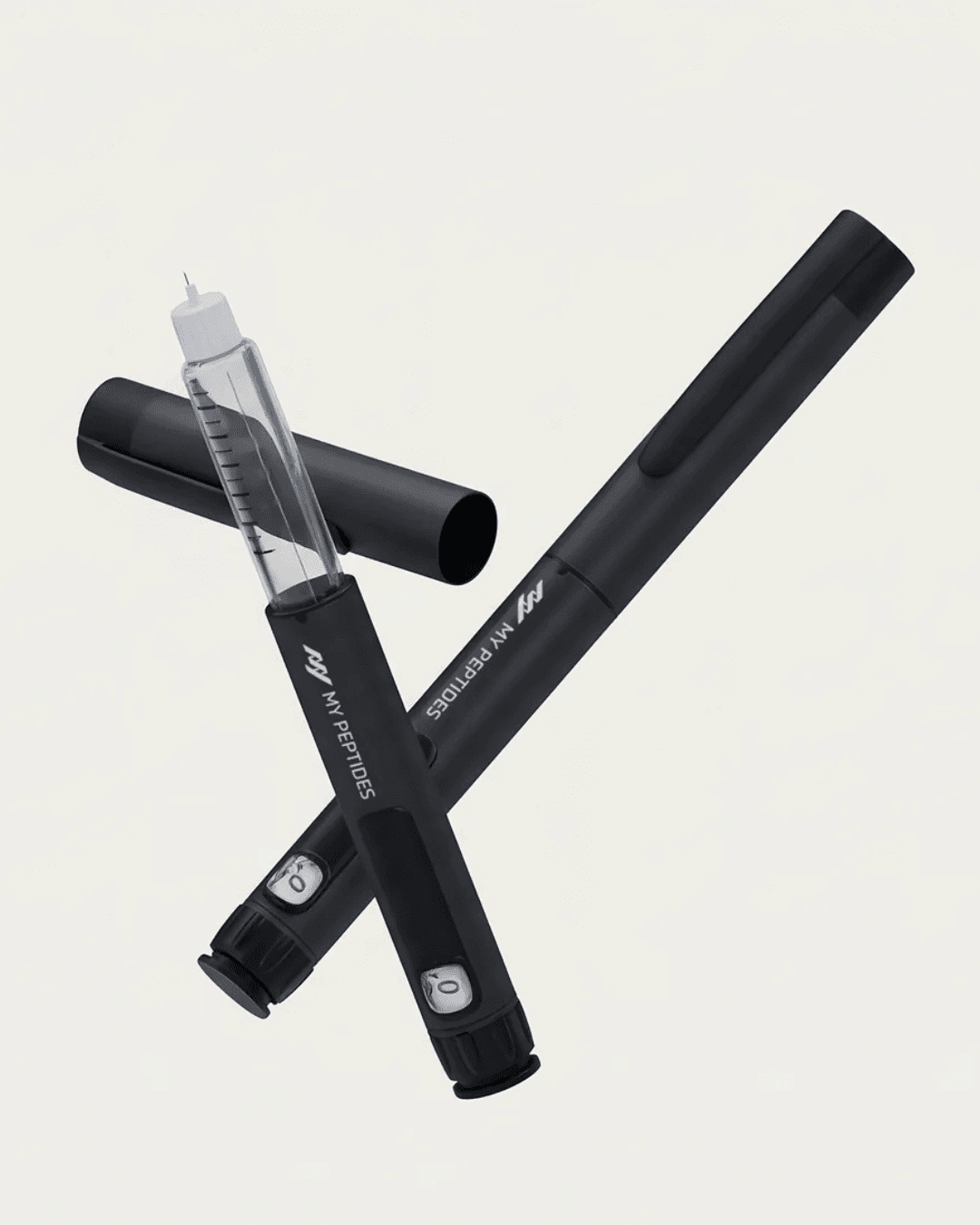
Free Metal pen, worth £25
A reusable pen is added free to your order, automatically.
- Same-day UK dispatch on orders placed before 3pm GMT.
- Free UK shipping over £100, tracked and next working day.
- Cold-chain packed: sealed foil pouch, ice packs, plain outer box.
- Batch-specific Certificate of Analysis included.
| Designation | Copper tripeptide-1 (GHK-Cu) |
| CAS Number | 49557-75-7 |
| Molecular Formula | C₁₄H₂₂CuN₆O₄ |
| Molecular Weight | 401.9 g/mol |
| Sequence | Gly-His-Lys · Cu²⁺ |
| Strength | 60mg |
| Concentration | 20 mg/ml |
| Presentation | 3ml Vial |
| Appearance | Blue liquid |
| Purity | ≥99% (HPLC) |
| Storage | Must be kept in a refrigerator at 2°C–8°C for optimal potency. |
| Certificate of Analysis | Batch-specific COA included |
How we ship it
Every pre-mixed vial leaves the UK cold and arrives in a plain box. Refrigerate on arrival at 2–8 °C.
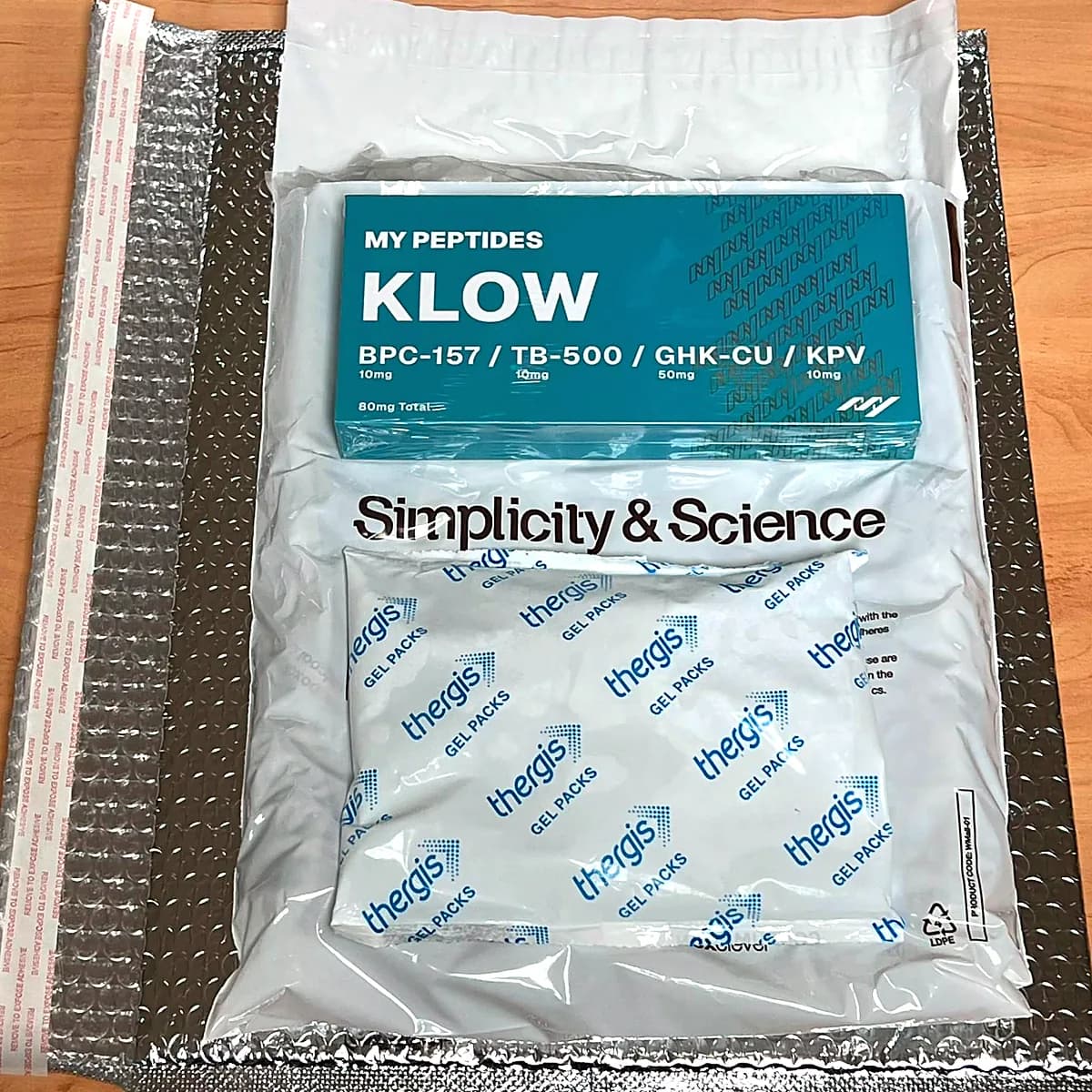
Chilled
Vials travel with frozen gel packs inside a sealed foil pouch, which holds temperature for roughly seven days in transit.
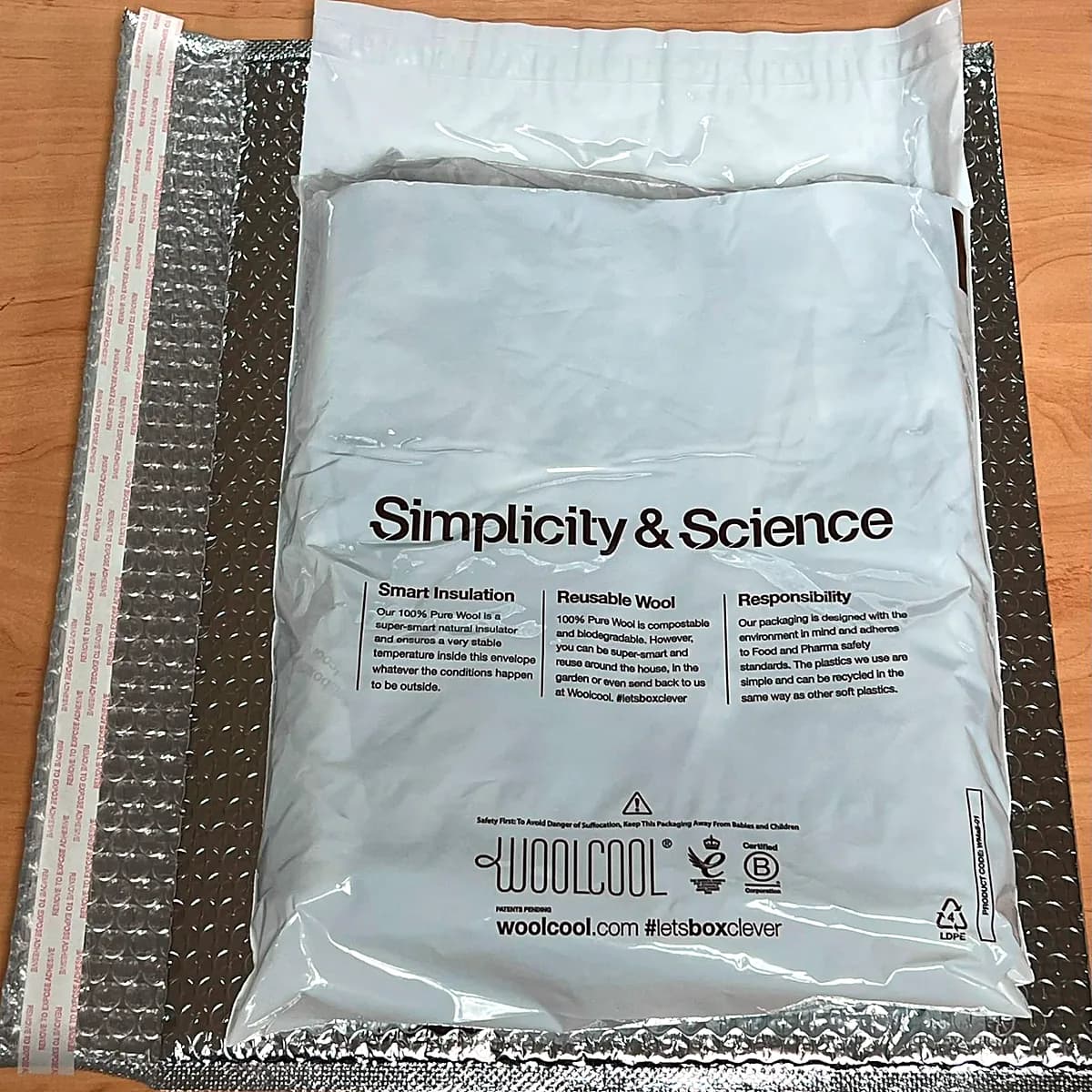
Insulated
The pouch sits inside a wool-lined envelope, so the cold chain survives a normal courier journey.
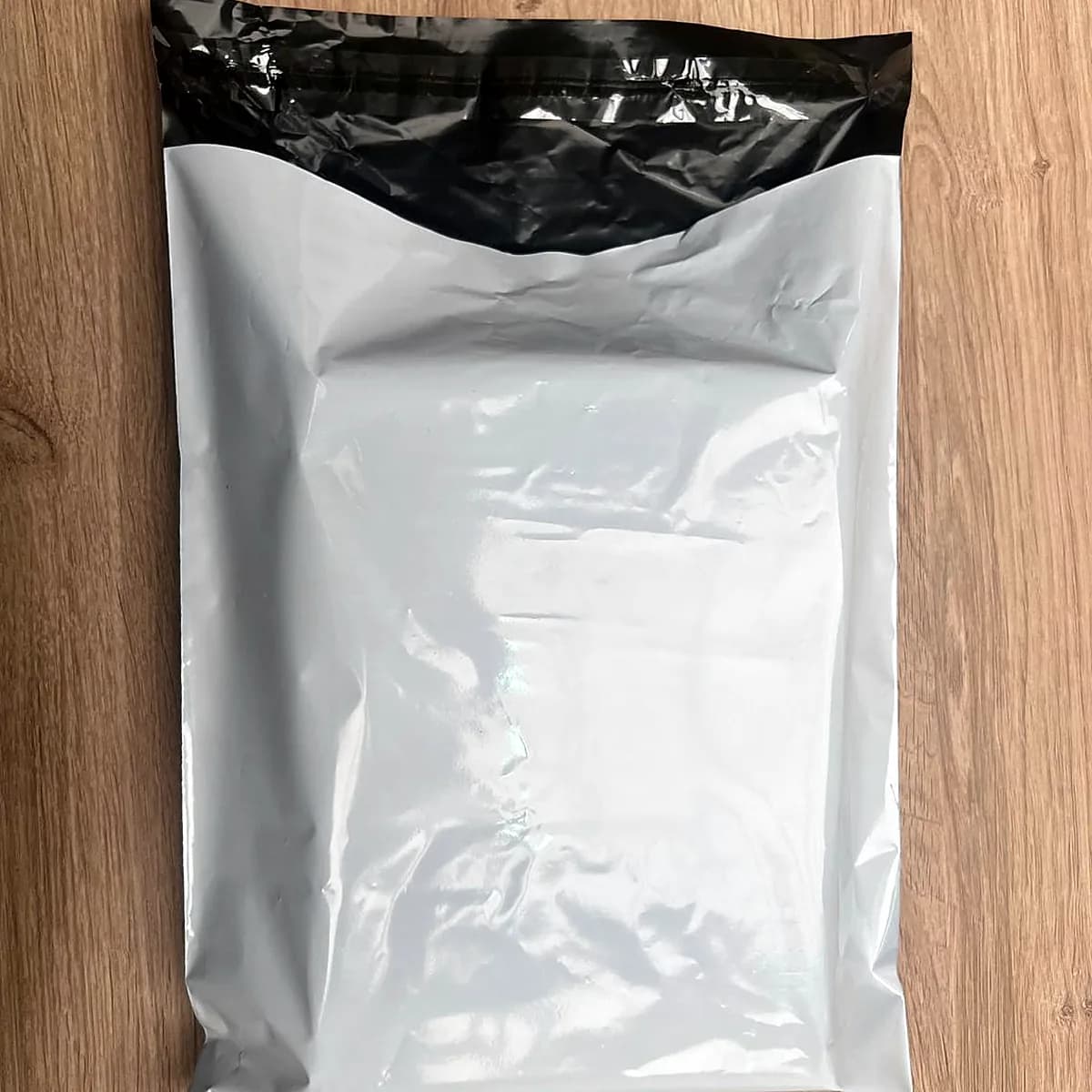
Discreet
Plain outer box with no branding and nothing on the label that names the contents.
Same-day dispatch
Order before 3pm GMT, Monday to Friday.
Free over £100
Tracked UK delivery, next working day.
2–8 °C on arrival
Refrigerate as soon as the parcel lands.
GHK-CU
£100.00 · Qty 1
GHK-Cu copper peptide: chemistry, format and quality
GHK-Cu — also written GHK Cu, GHKCu, copper tripeptide-1 or simply the copper peptide — is the tripeptide glycyl-L-histidyl-L-lysine bound to a divalent copper ion. It occurs naturally in human plasma, where its concentration declines with age, and it binds copper tightly enough to hold it in a defined, deliverable form, which is what makes it useful at the bench: it lets a laboratory study signalling driven by the peptide and by copper biochemistry at the same time. Ours is supplied pre-mixed as a solution in a sealed 3 ml vial, 60mg of GHK-Cu per vial, HPLC-verified with a batch Certificate of Analysis, synthesised and dispatched from our UK facility. A 100mg kit with the reusable pen and needles in the box is also available.
Research use only. GHK-Cu is supplied strictly for in-vitro laboratory research. This page describes chemistry, format, quality and handling. It does not describe dosing, administration or use in humans or animals, and makes no therapeutic or cosmetic claims.
GHK-Cu at a glance
| Compound | Copper tripeptide-1: glycyl-L-histidyl-L-lysine · Cu²⁺ (GHK-Cu) |
| Strength | 60mg in a 3 ml sealed vial |
| Format | Pre-mixed solution — no powder, no reconstitution step |
| Reference values | C₁₄H₂₂CuN₆O₄ · 401.9 g/mol · CAS 49557-75-7 |
| Appearance | Blue liquid (recorded on the batch certificate) |
| Purity | ≥99% by HPLC, verified per batch |
| Certificate of Analysis | Batch-specific COA with every order; samples in the COA library |
| Storage | 2–8 °C, sealed, protected from light; do not freeze |
| Origin | Synthesised and dispatched from our UK facility |
What GHK-Cu is, chemically
The peptide half is three residues long — glycine, histidine, lysine — and on its own it is called GHK, the apo-peptide, at 340.4 g/mol. The copper half is a single Cu²⁺ ion coordinated by the histidine imidazole ring, the glycine amino terminus and the peptide backbone, which is why the complex is written GHK-Cu and weighs 401.9 g/mol. That coordination is also why the solution is blue: the colour is the copper complex itself, and a colourless liquid sold as GHK-Cu is a sign that the copper is absent or has been lost.
The distinction matters when buying. Some suppliers sell GHK without copper and label it loosely; the two are different reagents with different behaviour in a copper-dependent assay. Everything on this page refers to the copper complex.
How GHK-Cu is studied
Published in-vitro and preclinical work uses GHK-Cu in three overlapping areas: as a copper carrier in studies of copper transport, binding and the cuproenzymes that depend on it (lysyl oxidase and superoxide dismutase among them); in extracellular-matrix models, where fibroblast cultures are used to examine collagen and glycosaminoglycan synthesis and matrix-remodelling signalling; and in gene-expression profiling, where the complex has been used to probe transcriptional responses in cultured cells. Because the peptide and the metal both contribute, control arms in this literature typically compare GHK-Cu against the apo-peptide and against a simple copper salt. These are laboratory observations that vary with concentration, exposure time and model, and they are not established effects in humans or animals. The GHK-Cu guide goes through the literature in more depth.
GHK-Cu on its own or in a blend
GHK-Cu is the largest component by mass of two of our blends: GLOW (BPC-157, TB-500 and 50mg of GHK-Cu, 70mg in total) and KLOW (the same plus KPV, 80mg). A blend is a research convenience for multi-pathway work; the single vial is the right choice when the question is about copper-dependent signalling specifically, when a control arm needs the peptide alone, or when the ratio in the blends does not suit the study. All three are supplied pre-mixed.
Pre-mixed GHK-Cu vs lyophilised
Most UK suppliers ship GHK-Cu as a lyophilised powder that has to be reconstituted before use. Ours is supplied already in solution, so there is no bacteriostatic water to buy and no reconstitution step, and the concentration shown in the key facts above is the concentration in the vial for the whole batch. The trade-off is that a solution must stay cold: every vial ships chilled in an insulated pouch, goes into a 2–8 °C refrigerator on arrival, and should be used within the storage window on the label rather than kept as shelf stock.
Quality: HPLC purity and the Certificate of Analysis
This is one of the products whose chemistry on this page is taken directly from the laboratory certificate rather than from reference tables. Every batch is verified by HPLC at 99%+ purity, the certificate records the value measured for that batch together with the appearance, and a batch-specific COA ships with every order. Sample certificates are viewable in the COA library before you buy.
Storage and handling
- Refrigerate at 2–8 °C on arrival; keep the vial sealed and protected from light; do not freeze.
- The copper stays bound in the near-neutral solution it is supplied in. Strongly acidic diluents can release it, so dilute into a buffer rather than an acid, and treat a loss of the blue colour as a sign the complex has changed.
- Draw from the vial with standard aseptic laboratory technique.
Buying GHK-Cu in the UK: what to check
- Copper-bound or not. GHK-Cu and apo-GHK are different reagents; the certificate should name the copper complex and the solution should be blue.
- Mass per vial, not just a size name — ours is stated on the label and the certificate, and the 100mg kit is a separate listing.
- A batch-specific Certificate of Analysis naming the batch, the method and the appearance, viewable before you order.
- Format. Powder needs reconstitution; a pre-mixed solution needs cold-chain delivery and a refrigerator.
- Legal status. GHK-Cu is lawful to buy and possess in the UK for laboratory research. It is not a licensed medicine, this vial is not a cosmetic product, and every vial is labelled for in-vitro research use only.
GHK-Cu: research FAQs
- What is GHK-Cu?
- GHK-Cu is a copper-peptide complex formed from the tripeptide glycyl-L-histidyl-L-lysine bound to a divalent copper ion. This high-affinity chelated structure belongs to the family of endogenous metal-binding peptides. It is supplied strictly as a reference compound for in-vitro laboratory research use only.
- What is GHK-Cu studied for in research?
- In cell-based and biochemical laboratory research, GHK-Cu has been investigated for its copper-binding behaviour and, in preclinical models, for associations with pathways relating to gene expression, extracellular matrix turnover and oxidative-stress responses. These are in-vitro and preclinical laboratory observations only. They vary with concentration, exposure duration and experimental model, and are not established effects in humans or animals.
- Is GHK-Cu legal to buy in the UK?
- GHK-Cu is legal to buy and possess in the UK for laboratory research purposes. It is not a licensed medicine and cannot be sold for human or veterinary consumption. Every vial is labelled and supplied for in-vitro research use only.
- What purity is your GHK-Cu, and is it lab-tested?
- Our GHK-Cu is verified at 99%+ purity by high-performance liquid chromatography (HPLC). The purity figure printed on each batch's Certificate of Analysis is the actual value recorded in the laboratory for that batch, not a generic marketing claim. It is synthesised and dispatched from our own UK facility.
- Does GHK-Cu come with a Certificate of Analysis?
- Yes. A batch-specific Certificate of Analysis (COA) ships with every order, documenting the identity and purity of the material you receive. Sample COAs can also be viewed in our COA library before you buy, so you can review our testing standards in advance.
- How is GHK-Cu supplied, stored and handled for research?
- GHK-Cu is supplied as a pre-mixed solution in a sealed vial — no reconstitution step is required. Its batch Certificate of Analysis records the appearance as a blue liquid, which is characteristic of the copper-peptide complex. Refrigerate at 2°C–8°C, keep the vial sealed and away from light, and do not freeze it. Handling should follow standard aseptic laboratory practice for research reagents.
- Is GHK-Cu the same as GHK, GHK Cu or 'copper peptide'?
- GHK Cu and GHKCu are the same compound written without the hyphen. GHK on its own is the apo-peptide — the tripeptide glycyl-L-histidyl-L-lysine without the copper ion — which is a different reagent with different behaviour in copper-dependent assays. 'Copper peptide' is the common name for the copper-bound complex, and the copper complex is what we supply, recorded on the batch certificate as a blue liquid.
- Why is the GHK-Cu solution blue?
- The colour is the copper complex itself: the Cu²⁺ ion coordinated by the histidine, the amino terminus and the peptide backbone absorbs in the visible range. A colourless solution sold as GHK-Cu is a sign the copper is absent or has been lost, so the blue appearance on our certificate is a quick identity check as well as a cosmetic detail.
- What is the difference between the standard vial and the 100mg kit?
- Both are the same pre-mixed GHK-Cu solution in a 3 ml vial. The standard vial is the single compound on its own; the 100mg kit supplies more material and includes the reusable metal pen and needles in the box. Either way the batch Certificate of Analysis ships with the order and the material is for in-vitro research use only.
Research guides
- What are research peptides?
- Are peptides legal in the UK?
- What is GHK-Cu peptide?
- What is Glow peptide?
- What is KLOW peptide?
- How should research peptides be stored?
- Bacteriostatic water and peptide solution stability
- What is a Certificate of Analysis (COA)?
- Buying research peptides in the UK: what to check
Tools
Disclaimer: Products sold on this website are intended for research and laboratory use only. They are not intended for human or animal consumption. Purchasers must be at least 18 years of age. By using this site, you agree to our Terms & Conditions.