

NAD+ Kit — Nicotinamide Adenine Dinucleotide | 1000mg
Nicotinamide adenine dinucleotide (NAD+) is an endogenous pyridine nucleotide that functions as a central redox cofactor and signalling molecule in cellular metabolism. In its oxidised form, NAD+ participates in electron transfer reactions fundamental to oxidative phosphorylation, glycolysis, and mitochondrial energy production. In biochemical and cellular research systems, NAD+ is extensively studied for its role in redox balance, substrate availability for NAD+-dependent enzymes, and regulation of intracellular signalling pathways. These include sirtuins, poly(ADP-ribose) polymerases (PARPs), and cyclic ADP-ribose–generating enzymes involved in DNA repair, chromatin regulation, and calcium signalling. Experimental outcomes are influenced by intracellular NAD+/NADH ratios, compartmentalisation, and metabolic state of the model system.
Total content
1000mg
Purity
≥99% HPLC
COA
Included
Buy more, pay less
- Same-day UK dispatch on orders placed before 3pm GMT.
- Free UK shipping over £100, tracked and next working day.
- Cold-chain packed: sealed foil pouch, ice packs, plain outer box.
- Batch-specific Certificate of Analysis included.
| Designation | Nicotinamide adenine dinucleotide (NAD⁺) |
| CAS Number | 53-84-9 |
| Molecular Formula | C₂₁H₂₇N₇O₁₄P₂ |
| Molecular Weight | 663.4 g/mol |
| Total content | 1000mg |
| Presentation | Pre-mixed solution, 3 ml sealed vial |
| Purity | ≥99% (HPLC) |
| Certificate of Analysis | Batch-specific COA included |
How we ship it
Every pre-mixed vial leaves the UK cold and arrives in a plain box. Refrigerate on arrival at 2–8 °C.
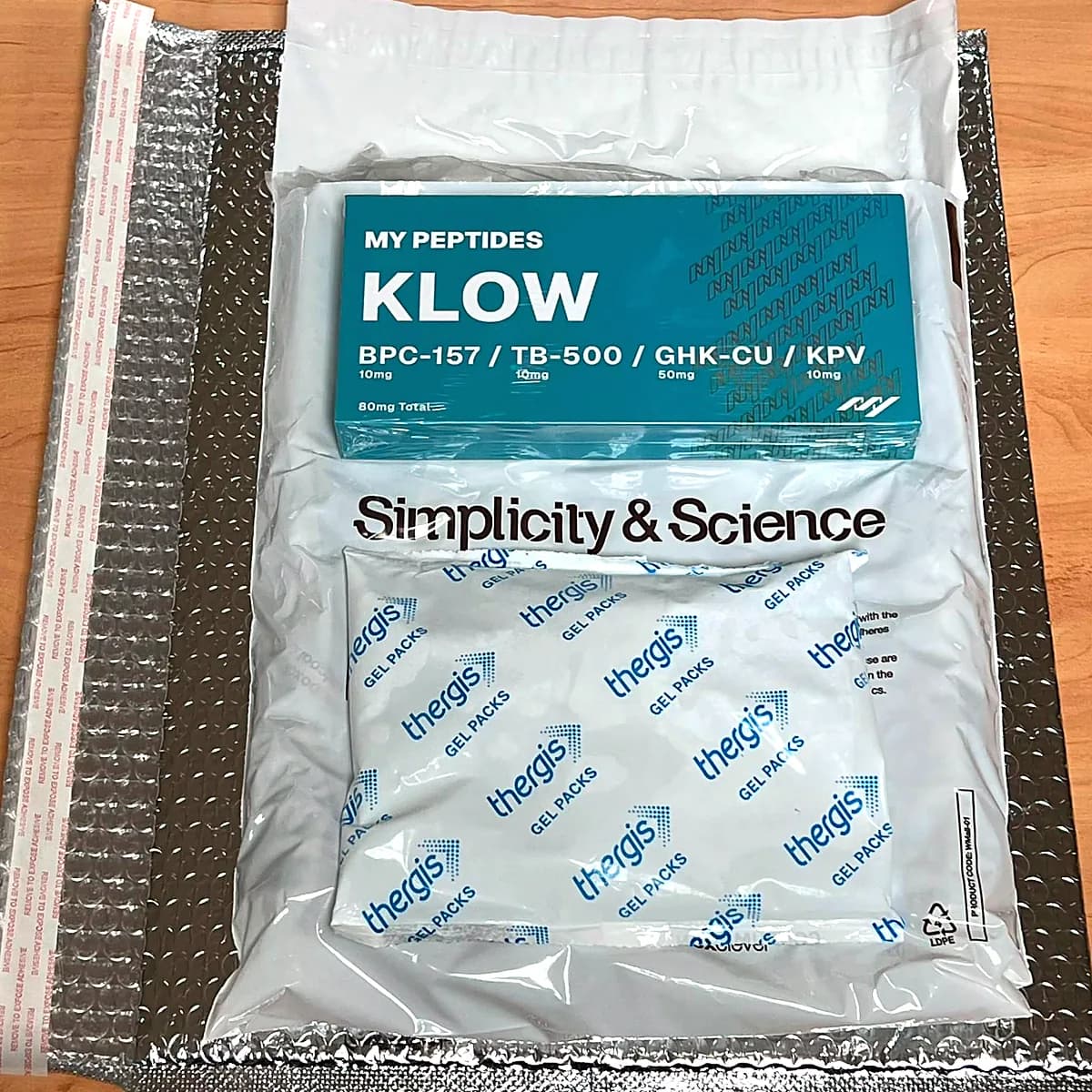
Chilled
Vials travel with frozen gel packs inside a sealed foil pouch, which holds temperature for roughly seven days in transit.
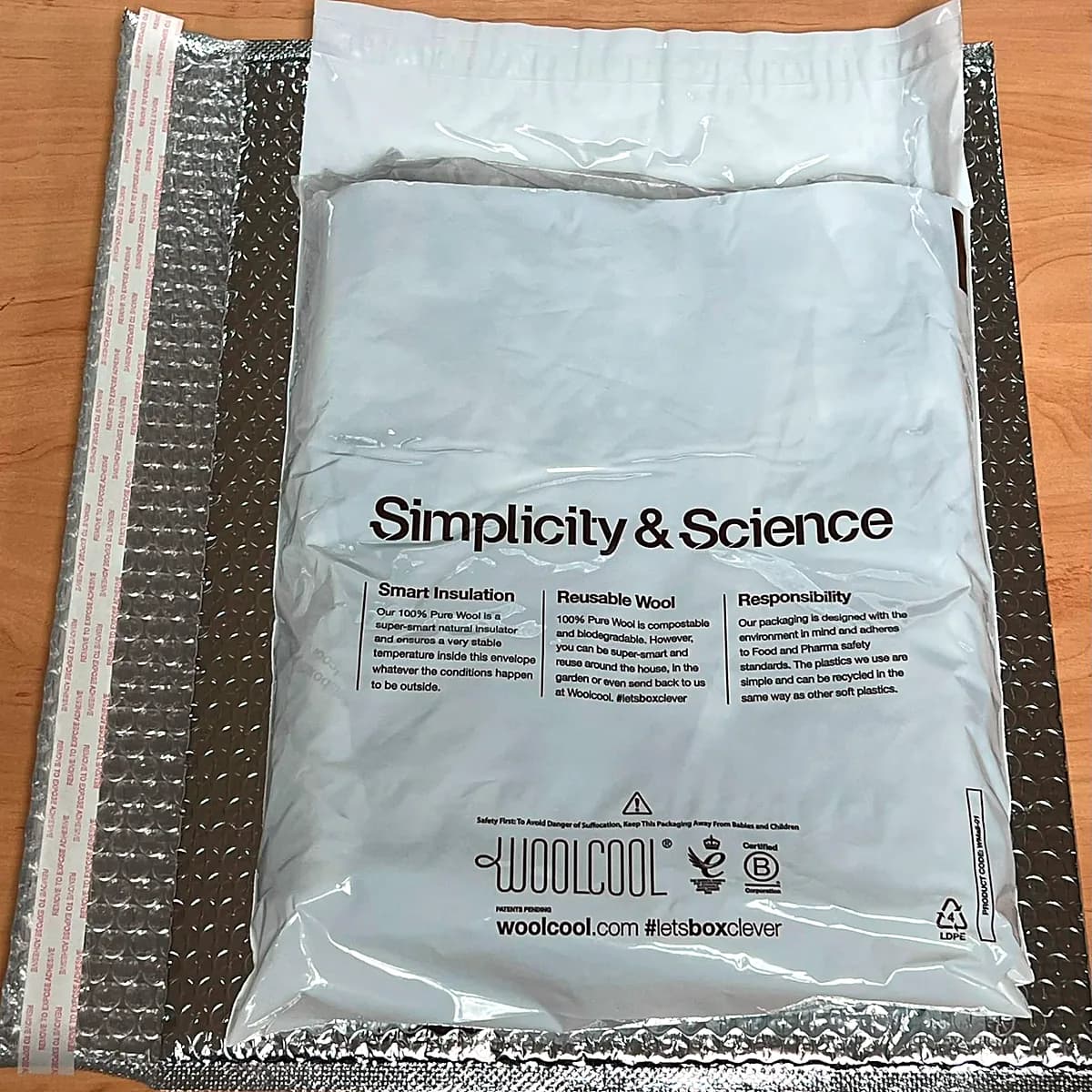
Insulated
The pouch sits inside a wool-lined envelope, so the cold chain survives a normal courier journey.
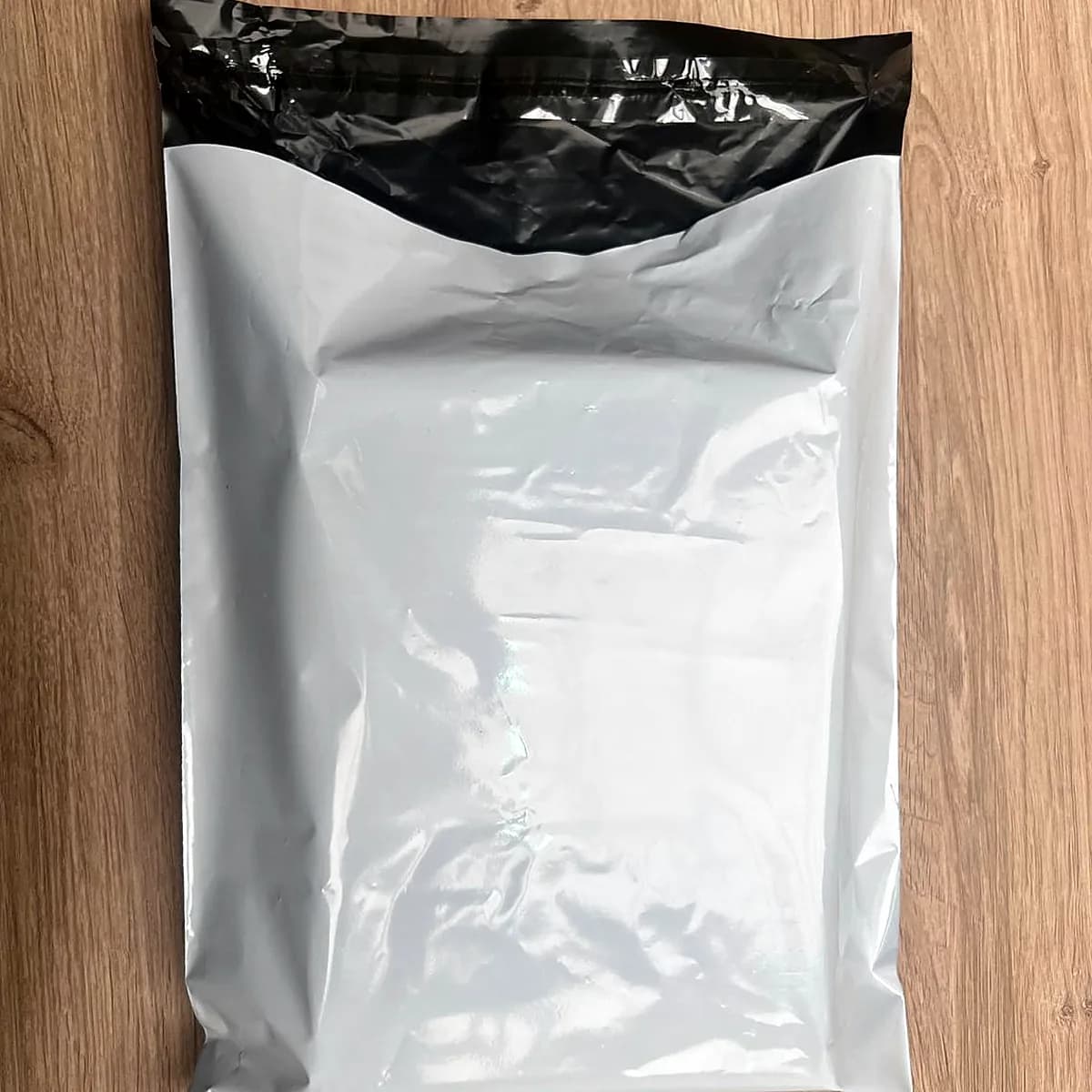
Discreet
Plain outer box with no branding and nothing on the label that names the contents.
Same-day dispatch
Order before 3pm GMT, Monday to Friday.
Free over £100
Tracked UK delivery, next working day.
2–8 °C on arrival
Refrigerate as soon as the parcel lands.
NAD+ Kit
£295.00 · Qty 1
NAD+ for research: what it is, and why it is not a peptide
NAD+ (nicotinamide adenine dinucleotide) is a pyridine-nucleotide coenzyme found in every living cell: the electron carrier at the centre of glycolysis, the citric-acid cycle and oxidative phosphorylation, and the substrate that sirtuins, PARPs and CD38 consume. It is searched for as the "NAD+ peptide" or "NAD peptide" so often that the phrase has stuck, but strictly it is not a peptide — it is built from two nucleotides, not from amino acids. It is listed here because the laboratories that work with research peptides are the same ones that work with NAD+, and it is supplied the same way: pre-mixed, as a solution in a sealed 3 ml vial, research grade, HPLC-verified, with a batch Certificate of Analysis, from our UK facility. The NAD+ guide covers the naming question in full.
Research use only. The NAD+ kit is supplied strictly for in-vitro laboratory research. This page describes chemistry, format, quality and handling. It does not describe dosing, administration or use in humans or animals, and makes no therapeutic claims. It is not an infusion or injection product, and we do not supply NAD+ for that purpose.
The NAD+ kit at a glance
| Compound | Nicotinamide adenine dinucleotide, oxidised form (NAD⁺) |
| Total content | 1000mg per kit |
| Format | Pre-mixed solution in a sealed 3 ml vial — no powder, no reconstitution step |
| Formula · weight · CAS | C₂₁H₂₇N₇O₁₄P₂ · 663.4 g/mol · 53-84-9 |
| Purity | ≥99% by HPLC, verified per batch |
| Certificate of Analysis | Batch-specific COA with every order; samples in the COA library |
| Storage | 2–8 °C, sealed, protected from light; do not freeze |
| Origin | Synthesised and dispatched from our UK facility |
What NAD+ is, chemically
NAD+ is nicotinamide mononucleotide joined to adenosine monophosphate through a pyrophosphate bridge. Its chemistry runs on two separate tracks, and research on it splits the same way.
Redox. The nicotinamide ring accepts a hydride to give NADH and gives it back on oxidation. That single NAD+/NADH couple carries most of the electron flow from fuel oxidation into complex I of the respiratory chain, which is why metabolic work reports the free NAD+/NADH ratio rather than the absolute NAD+ concentration.
Consumption. Sirtuins, poly(ADP-ribose) polymerases and the CD38/CD157 ectoenzymes cleave the glycosidic bond and release nicotinamide, so in these reactions NAD+ is destroyed rather than recycled and has to be resynthesised. The NAMPT-dependent salvage pathway that rebuilds it from nicotinamide is rate-limiting in most cell types, and much of the current literature on NAD+ decline concerns the balance between that consumption and resynthesis.
NAD+ vs NMN vs NR
Three molecules are routinely confused in this space, and they are not interchangeable in an experiment.
| NAD+ | NMN | NR | |
|---|---|---|---|
| Full name | Nicotinamide adenine dinucleotide | Nicotinamide mononucleotide | Nicotinamide riboside |
| Place in the pathway | The coenzyme itself | Immediate precursor, converted to NAD+ by NMNAT enzymes | Precursor to NMN, phosphorylated by NRK1/2 kinases |
| Used in the laboratory as | Substrate or cofactor for enzymology and redox work | A supply-side variable in cell models | A supply-side variable in cell models |
Precursor studies exist largely because how extracellular NAD+ crosses an intact cell membrane is still an open research question, so cell-based work on NAD+ availability often supplies a precursor and measures the resulting NAD+ pool. Cell-free and enzyme work uses the coenzyme itself, which is what this kit supplies.
How NAD+ is used in the laboratory
- As the substrate or cofactor in enzymology — dehydrogenase assays, sirtuin and PARP activity assays, and NAD+/NADH cycling assays in which it is the reference standard.
- In redox and mitochondrial-function models, where the NAD+/NADH ratio is the readout for metabolic state.
- In studies of NAD+-dependent signalling — sirtuins in chromatin regulation, PARPs in DNA-repair signalling, and cyclic ADP-ribose-generating enzymes in calcium signalling.
- Alongside MOTS-c, because the AMPK energy-sensing pathway most examined in MOTS-c research and the NAD+/sirtuin axis are interconnected systems.
Experimental outcomes depend on intracellular NAD+/NADH ratios, compartmentalisation and the metabolic state of the model, which is why NAD+ is used as a reference compound rather than treated as a single-answer reagent. These are in-vitro observations only and are not established effects in humans or animals.
Stability: why NAD+ is less forgiving than a peptide
NAD+ does not behave like a peptide in solution, and the differences decide what you actually have on the bench.
- pH dominates. NAD+ is labile under alkaline conditions while NADH degrades under acid catalysis, so the two forms have opposite sensitivities and the practical optimum for a buffered solution sits near pH 8.5. A buffer chosen for a peptide protocol is not automatically right here, and Tris holds that window where phosphate does not. Our solution-stability guide uses NAD+ as the worked example.
- Time and temperature matter. Aqueous NAD+ loses activity measurably over time, faster when warm, and freeze–thaw cycling accelerates it — which is why the vial ships cold-chain, is stored at 2–8 °C and should be used within the window on its label rather than kept as shelf stock.
- Degradation is invisible. A degraded NAD+ solution usually looks unchanged, so the batch date on the certificate matters more than appearance.
- Light. Keep the vial in its box or otherwise protected from light.
Quality: HPLC purity and the Certificate of Analysis
Every NAD+ batch is verified by HPLC at 99%+ purity, and the certificate records the value measured for that batch. A batch-specific COA ships with every order, sample certificates are viewable in the COA library before you buy, and given the stability profile above the batch date on that certificate deserves more attention than it would for a lyophilised peptide.
Buying NAD+ in the UK: what to check
- Content in milligrams, stated per vial or per kit, and the batch date.
- A batch-specific Certificate of Analysis viewable before ordering, naming the method.
- Format and handling. Most UK suppliers ship NAD+ as a lyophilised powder to reconstitute; ours is a pre-mixed solution, which removes the reconstitution step but needs cold-chain delivery, 2–8 °C storage, light protection, and a buffer plan if you will be diluting it.
- What it is for. Research-grade NAD+ is a laboratory reagent. It is not the clinic-administered IV NAD+ that most of the results for "NAD injections" describe; a regulated clinical provider is the right source for that, and we do not supply it.
- Legal status. NAD+ is lawful to buy and possess in the UK for laboratory research. It is not a licensed medicine, and every kit is supplied and labelled for in-vitro research use only.
NAD+ Kit: research FAQs
- What is the NAD+ Kit?
- The NAD+ Kit is a research kit supplying NAD+ (nicotinamide adenine dinucleotide), an endogenous pyridine nucleotide that acts as a central redox cofactor and signalling molecule in cellular metabolism. In its oxidised form it participates in the electron-transfer reactions underlying glycolysis, oxidative phosphorylation and mitochondrial energy production. It is supplied pre-mixed in a sealed 3 ml vial, strictly for in-vitro laboratory research use only.
- Is NAD+ a peptide?
- No. NAD+ is a pyridine-nucleotide coenzyme — nicotinamide mononucleotide joined to adenosine monophosphate through a pyrophosphate bridge — not a chain of amino acids. It is often searched for as an "NAD peptide" or "NAD+ peptide" because the same suppliers and laboratories work with both, but it is a different class of molecule and it behaves differently in solution, which is why its handling notes differ from those for a peptide.
- What is the difference between NAD+, NMN and NR?
- They are three points on one pathway. NR (nicotinamide riboside) is phosphorylated by NRK1/2 kinases to NMN (nicotinamide mononucleotide), and NMN is converted by NMNAT enzymes to NAD+, the coenzyme itself. Cell-free and enzymology work uses NAD+ directly as the substrate or cofactor; cell-based work on NAD+ availability often supplies a precursor instead, because how extracellular NAD+ crosses an intact cell membrane is still an open research question. This kit supplies the coenzyme.
- What is NAD+ studied for in research?
- In biochemical and cellular research systems, NAD+ has been investigated for its role in redox balance and as a substrate for NAD+-dependent enzymes. Reported laboratory work covers its involvement in signalling pathways including sirtuins, poly(ADP-ribose) polymerases (PARPs) and cyclic ADP-ribose-generating enzymes linked to DNA repair, chromatin regulation and calcium signalling. These are preclinical, cell-based observations, and experimental outcomes depend on intracellular NAD+/NADH ratios, compartmentalisation and the metabolic state of the model system.
- Is NAD+ legal to buy in the UK?
- The NAD+ Kit is legal to buy and possess in the UK for laboratory research purposes. It is not a licensed medicine and cannot be sold or supplied for human or veterinary consumption. Every order ships labelled for in-vitro research use only.
- What purity is your NAD+, and is it lab-tested?
- The NAD+ Kit is verified to 99%+ purity by HPLC analysis. The figure printed on each batch's Certificate of Analysis is the actual lab-recorded value for that batch, not a marketing claim. Material is synthesised and dispatched from our own UK facility.
- Does the NAD+ Kit come with a Certificate of Analysis?
- Yes, a batch-specific Certificate of Analysis (COA) ships with every order. You can also view sample COAs in our COA library before purchasing so you can see the analytical detail we provide. Because NAD+ in solution loses activity over time without any visible change, the batch date on that certificate deserves more attention than it would for a lyophilised peptide.
- How is the NAD+ Kit supplied, stored and handled for research?
- The NAD+ Kit is supplied as a pre-mixed solution in a sealed 3 ml vial — no reconstitution step — and shipped cold-chain. Refrigerate at 2°C–8°C as indicated on the label, keep the vial sealed and away from light, do not freeze, use it within the storage window on the label, and check the batch Certificate of Analysis supplied with your order for the recorded appearance and presentation. NAD+ is pH-sensitive — labile in alkaline conditions, while NADH degrades in acid — so any further dilution needs a suitable buffer rather than plain bacteriostatic water. Handle under standard aseptic laboratory practice, consistent with in-vitro research use only.
- Do you supply NAD+ for injections or IV therapy?
- No. The NAD+ Kit is a laboratory reference compound supplied strictly for in-vitro research. It is not an infusion or injection product, we are not a clinic, and we publish no administration guidance. If you are looking into clinic-administered IV NAD+, a regulated clinical provider is the correct source of information.
Research guides
Tools
Disclaimer: Products sold on this website are intended for research and laboratory use only. They are not intended for human or animal consumption. Purchasers must be at least 18 years of age. By using this site, you agree to our Terms & Conditions.