

KPV Peptide | 12mg | 3ml
KPV is a synthetic tripeptide composed of the amino acids lysine–proline–valine, corresponding to residues 11–13 of α‑melanocyte‑stimulating hormone (α‑MSH). It is widely used in research as the smallest functional fragment of α‑MSH capable of engaging melanocortin‑associated signalling pathways without requiring the full‑length hormone. In biochemical and cellular experimental systems, KPV is examined for its influence on melanocortin‑linked signalling networks and downstream intracellular processes involved in immune activity and inflammatory regulation. Research typically focuses on both receptor‑associated and receptor‑independent mechanisms, transcriptional responses, and peptide stability under controlled laboratory conditions. The molecular effects observed vary according to concentration, model type, and experimental design, positioning KPV as a tool for studying peptide‑driven signalling rather than for defining specific biological or physiological outcomes.
Strength
12mg
Concentration
4 mg/ml
Purity
≥99% HPLC
COA
On request
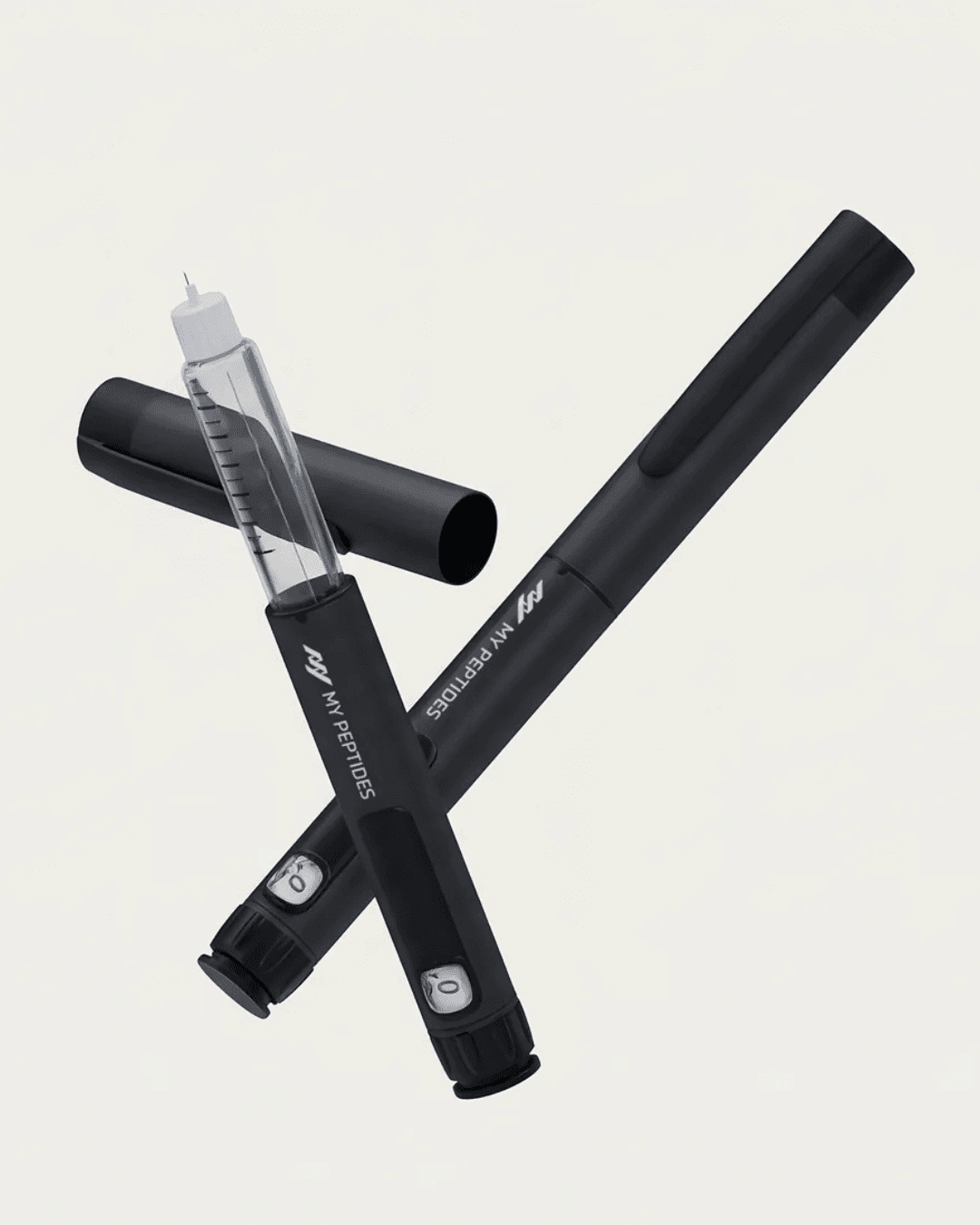
Free Metal pen, worth £25
A reusable pen is added free to your order, automatically.
- Free UK shipping over £100, tracked and next working day.
- Cold-chain packed: sealed foil pouch, ice packs, plain outer box.
- Batch-specific Certificate of Analysis included.
| Designation | α-MSH(11-13) tripeptide |
| CAS Number | 67727-97-3 |
| Molecular Formula | C₁₆H₃₀N₄O₄ |
| Molecular Weight | 342.4 g/mol |
| Sequence | Lys-Pro-Val |
| Strength | 12mg |
| Concentration | 4 mg/ml |
| Presentation | 3ml Vial |
| Purity | ≥99% (HPLC) |
| Storage | Must be kept in a refrigerator at 2°C–8°C for optimal potency. |
How we ship it
Every pre-mixed vial leaves the UK cold and arrives in a plain box. Refrigerate on arrival at 2–8 °C.
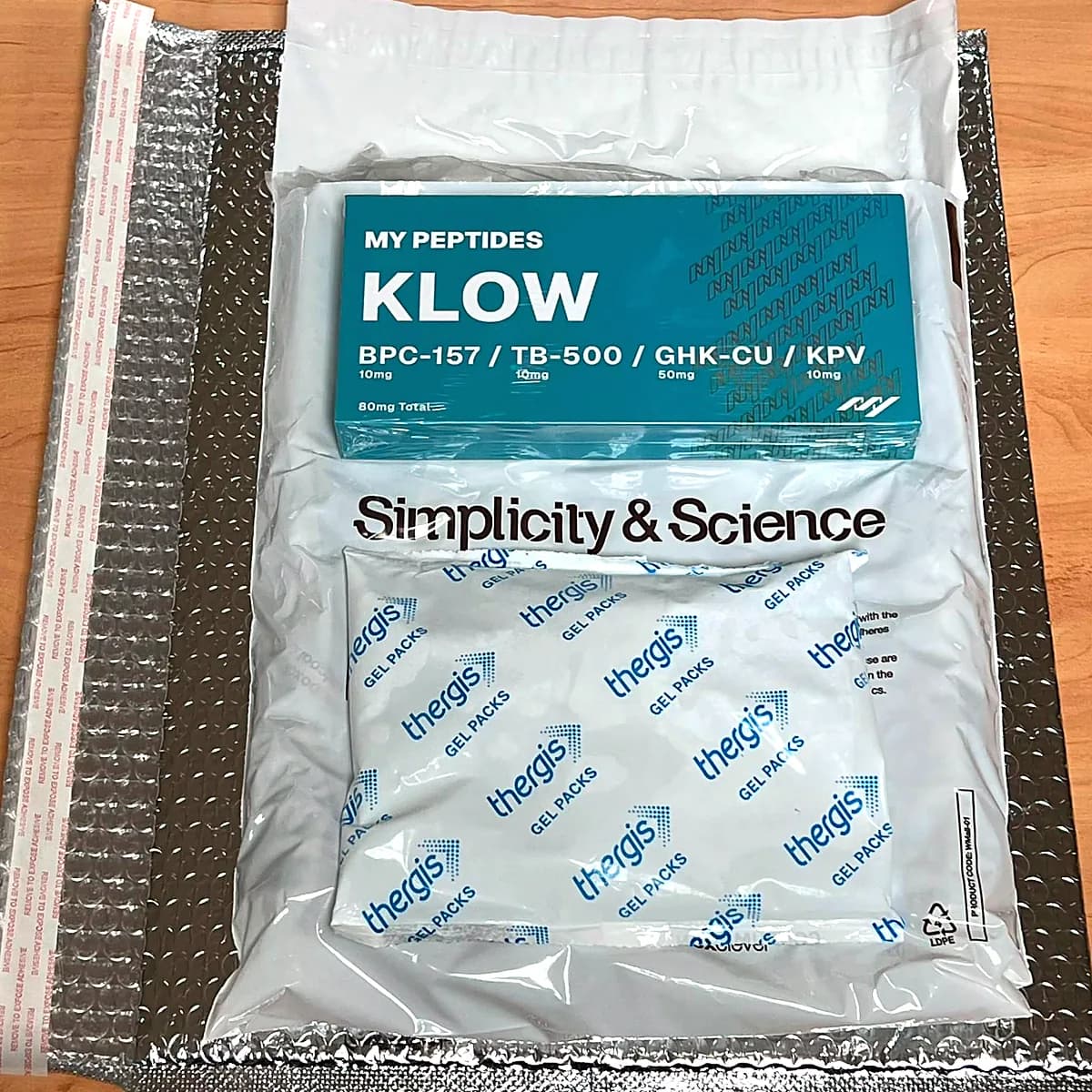
Chilled
Vials travel with frozen gel packs inside a sealed foil pouch, which holds temperature for roughly seven days in transit.
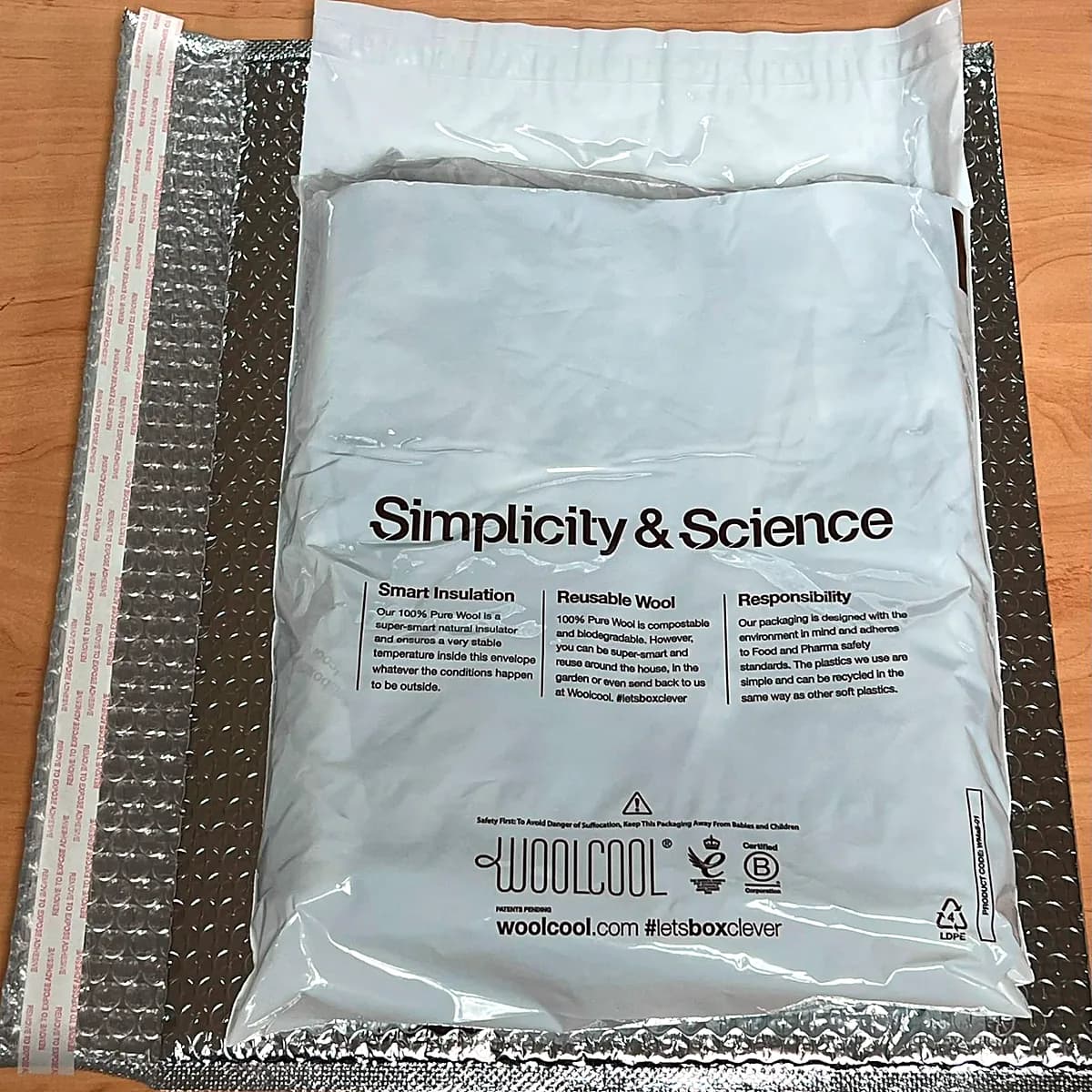
Insulated
The pouch sits inside a wool-lined envelope, so the cold chain survives a normal courier journey.
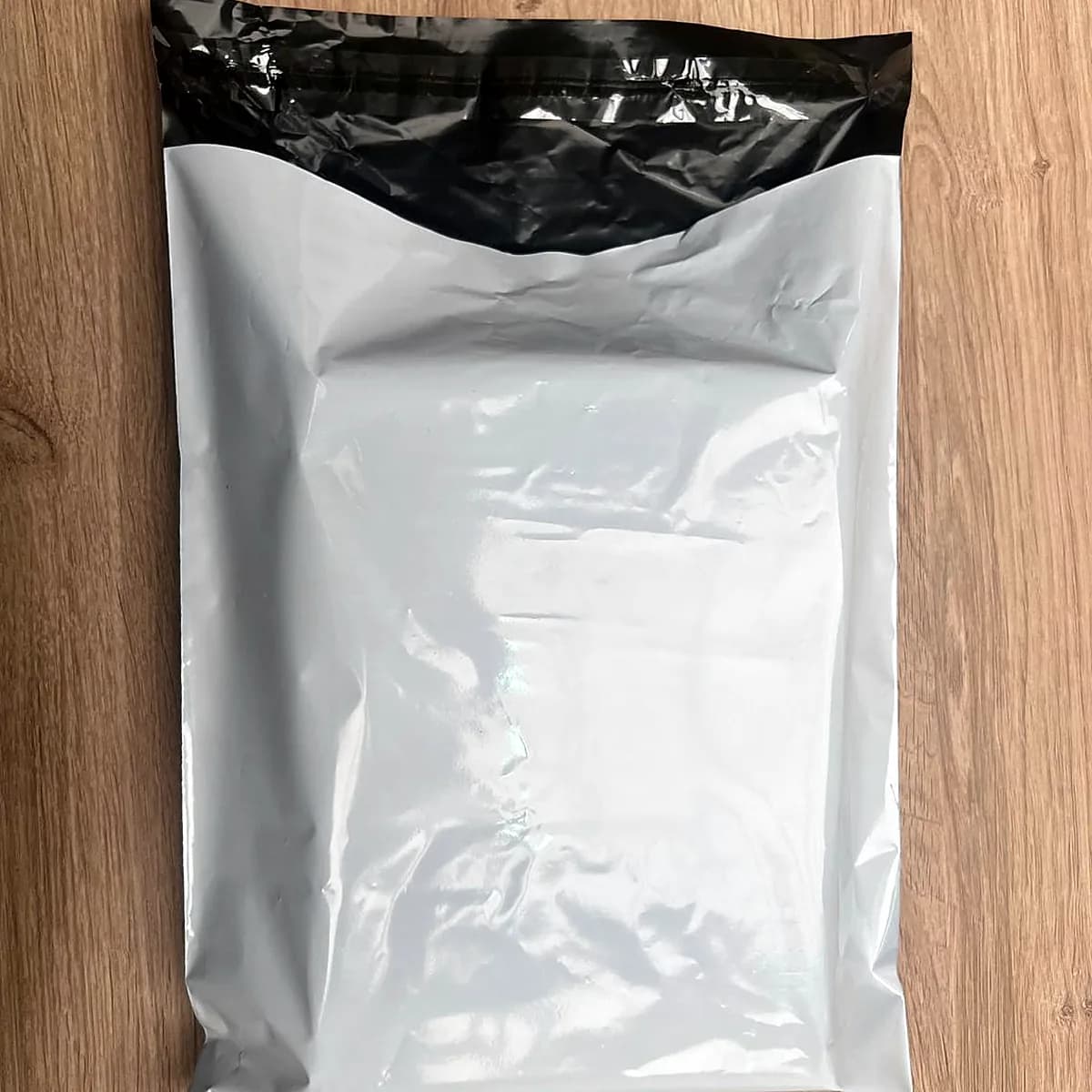
Discreet
Plain outer box with no branding and nothing on the label that names the contents.
Same-day dispatch
Order before 3pm GMT, Monday to Friday.
Free over £100
Tracked UK delivery, next working day.
2–8 °C on arrival
Refrigerate as soon as the parcel lands.
KPV peptide: chemistry, format and quality
KPV is a tripeptide — three amino acids, lysine-proline-valine — corresponding to residues 11–13 at the C-terminus of α-MSH (alpha-melanocyte-stimulating hormone). It is the smallest fragment of that hormone still studied for melanocortin-associated activity, and its size is the reason researchers reach for it: at 342.4 g/mol it is simple to synthesise, easy to characterise analytically, and short enough to serve as a model compound for how small peptides behave in solution. Ours is supplied pre-mixed as a solution in a sealed 3 ml vial, 12mg per vial, HPLC-verified with a batch Certificate of Analysis, synthesised in our UK facility.
Research use only. KPV is supplied strictly for in-vitro laboratory research. This page describes chemistry, format, quality and handling. It does not describe dosing, administration or use in humans or animals, and makes no therapeutic claims.
KPV at a glance
| Compound | KPV — Lys-Pro-Val, the α-MSH (11-13) C-terminal tripeptide |
| Sequence | Lys-Pro-Val (K-P-V in single-letter code, which is where the name comes from) |
| Strength | 12mg in a 3 ml sealed vial |
| Format | Pre-mixed solution — no powder, no reconstitution step |
| Reference values | C₁₆H₃₀N₄O₄ · 342.4 g/mol · CAS 67727-97-3 |
| Purity | ≥99% by HPLC, verified per batch |
| Certificate of Analysis | Batch-specific COA with every order; samples in the COA library |
| Storage | 2–8 °C, sealed, protected from light; do not freeze |
| Origin | Synthesised in our UK facility |
What KPV is, chemically
The name is the sequence. In single-letter amino-acid code lysine is K, proline is P and valine is V, so Lys-Pro-Val is written KPV — which is why the compound is searched as "KPV peptide" rather than by any systematic name. Three residues is about as short as a peptide gets while still being a peptide: it has one peptide bond fewer than a tetrapeptide, no secondary structure to speak of, no disulphide bridges and no unusual residues. Proline in the middle position puts a fixed kink in the backbone, which is the one conformational feature the molecule has.
That simplicity has analytical consequences worth knowing before you compare certificates. A 342 g/mol tripeptide elutes early on a reversed-phase column and gives a clean, unambiguous mass — there is very little for a synthesis to get wrong, and correspondingly little excuse for a certificate that cannot report an exact match.
KPV and α-MSH: fragment, not hormone
α-MSH is a 13-residue hormone. KPV is its last three residues, and nothing else. That distinction matters because the two are not interchangeable reagents and are not studied for the same thing: the full-length hormone is a broad melanocortin-receptor agonist, while the C-terminal tripeptide is investigated in signalling work where the full receptor-binding apparatus of the parent hormone is deliberately absent. Anyone buying KPV as a stand-in for α-MSH, or reading a supplier's copy that blurs the two, is comparing different molecules. The related — and much larger — cyclic α-MSH analogues in this catalogue are Melanotan 2 and PT-141, which are heptapeptides with a lactam bridge and a different research role entirely.
How KPV is studied
In biochemical and cellular systems KPV is investigated for its influence on melanocortin-linked signalling networks and on downstream intracellular processes relevant to immune and inflammatory regulation, with published work covering both receptor-associated and receptor-independent mechanisms. Because it is so short, it also appears as a model peptide in method development — stability in solution, degradation kinetics, and the analytical behaviour of very small sequences. Reported observations vary with concentration, exposure time, model type and study design; they are laboratory observations only, not established effects in humans or animals. The KPV guide covers the literature in more depth.
KPV on its own or in the KLOW blend
KPV is the component that distinguishes two of our multi-compound vials. KLOW is GHK-Cu (50mg), KPV (10mg), BPC-157 (10mg) and TB-500 (10mg) — 80mg in one pre-mixed vial. GLOW is the same three without KPV, at 70mg. In other words the KPV is the whole difference between the two blends, which is why the choice between them turns on whether a study touches melanocortin-linked signalling at all. The single vial on this page is the right choice when the question is about the tripeptide specifically, when a blend's fixed ratio does not suit the design, or when a control arm needs the compound alone.
Pre-mixed KPV vs lyophilised
Most UK suppliers ship KPV as a lyophilised powder to reconstitute with bacteriostatic water. Ours is supplied already in solution, so there is no reconstitution step and no bacteriostatic water to source, and the concentration shown in the key facts above holds for every vial in the batch. A solution has to stay cold: vials ship chilled in an insulated pouch, go into a 2–8 °C refrigerator on arrival, and should be used within the storage window on the label rather than kept as shelf stock.
Quality: HPLC purity and the Certificate of Analysis
Every KPV batch is verified by HPLC at 99%+ purity, and the figure recorded on the Certificate of Analysis is the value measured for that batch rather than a generic claim. A batch-specific COA is supplied with the order. KPV's certificate is one of the ones currently being added to the public COA library — the compounds listed there as pending are tested to the same standard, and support can send the current batch document on request before you order. Material is synthesised in our own UK facility rather than imported and relabelled.
Storage and handling
- Refrigerate at 2–8 °C on arrival; keep the vial sealed and protected from light.
- Do not freeze. Freeze–thaw cycling damages peptides already in solution.
- Draw from the vial with standard aseptic laboratory technique.
- Check the certificate for the recorded appearance and the storage window for that lot.
Buying KPV in the UK: what to check
- Fragment or hormone. KPV is the α-MSH (11-13) tripeptide, not α-MSH; the certificate's mass — 342.4 g/mol — tells you which you have.
- Mass per vial and, for a solution, the concentration. "KPV" alone says nothing about how much is in the vial.
- A batch-specific Certificate of Analysis naming the batch and the analytical method, available before you order.
- Format. Powder needs bacteriostatic water and a reconstitution step; a pre-mixed solution needs cold-chain delivery and a refrigerator.
- Legal status. KPV is lawful to buy and possess in the UK for laboratory research. It is not a licensed medicine, and every vial is supplied and labelled for in-vitro research use only.
KPV: research FAQs
- What is KPV?
- KPV is a synthetic tripeptide composed of the amino acids lysine, proline and valine (Lys-Pro-Val). It corresponds to the C-terminal residues 11-13 of alpha-melanocyte-stimulating hormone (alpha-MSH) and is one of the smallest fragments derived from that sequence. In laboratory research it has been studied in connection with melanocortin-associated signalling pathways. It is supplied strictly as a reference compound for in-vitro laboratory research use only.
- What is KPV studied for in research?
- In biochemical and cellular experimental systems, KPV has been investigated for its influence on melanocortin-linked signalling networks and downstream intracellular processes relevant to immune activity and inflammatory regulation. Preclinical work typically examines both receptor-associated and receptor-independent mechanisms, transcriptional responses and peptide stability under controlled conditions. These are laboratory observations only; the molecular effects reported vary with concentration, model type and experimental design, and no human or physiological outcome is implied.
- Is KPV legal to buy in the UK?
- KPV is legal to buy and possess in the UK for laboratory research purposes. It is not a licensed medicine and cannot be sold for human or veterinary consumption. Every order is labelled and supplied for in-vitro research use only.
- What purity is your KPV, and is it lab-tested?
- Our KPV is verified to 99%+ purity by HPLC analysis. The figure printed on each batch's Certificate of Analysis is the actual value recorded in the laboratory for that batch, not a generic marketing claim. All material is synthesised and dispatched from our own UK facility.
- Does KPV come with a Certificate of Analysis?
- Yes. A batch-specific Certificate of Analysis (COA) ships with every order, documenting the identity and purity of the material you receive. Sample COAs can also be viewed in our COA library before you purchase, so you can review the documentation in advance.
- How is KPV supplied, stored and handled for research?
- KPV is supplied as a pre-mixed solution in a sealed 3 ml vial and shipped cold-chain, so there is no powder to reconstitute and no bacteriostatic water to source. Refrigerate at 2°C–8°C as indicated on the label, keep the vial sealed and away from light, and do not freeze it. Check the batch Certificate of Analysis supplied with your order for the recorded appearance and presentation. Handling should follow standard aseptic laboratory practice, consistent with its designation for in-vitro research use only.
- Why is the peptide called KPV?
- The name is the sequence. In the standard single-letter amino-acid code lysine is K, proline is P and valine is V, so the tripeptide Lys-Pro-Val is written KPV. It is not an acronym or a product code, which is why the compound is searched and catalogued as KPV rather than under any systematic chemical name.
- Is KPV the same as alpha-MSH?
- No. Alpha-melanocyte-stimulating hormone (α-MSH) is a thirteen-residue peptide; KPV is only its last three residues, positions 11 to 13 at the C-terminus, at 342.4 g/mol. They are different reagents and are not interchangeable: the full-length hormone is studied as a broad melanocortin-receptor agonist, while the tripeptide is studied in signalling work where the parent hormone's receptor-binding apparatus is deliberately absent. Any listing that treats the two as the same compound is describing different molecules.
- Is KPV in any of your stacks?
- Yes — KPV is what separates our two largest blends. KLOW contains GHK-Cu (50mg), KPV (10mg), BPC-157 (10mg) and TB-500 (10mg), 80mg in one pre-mixed vial. GLOW is the same three compounds without KPV, at 70mg. The added tripeptide is therefore the entire difference between them. The single vial on this page is the right choice when a study needs KPV on its own or as a control arm. All are for in-vitro research use only.
Research guides
Tools
Disclaimer: Products sold on this website are intended for research and laboratory use only. They are not intended for human or animal consumption. Purchasers must be at least 18 years of age. By using this site, you agree to our Terms & Conditions.