

Melanotan 2 (MT2) | 20mg | 3ml
Melanotan
Melanotan II (MT‑II) is a synthetic cyclic heptapeptide analogue of α‑melanocyte‑stimulating hormone (α‑MSH), developed for controlled laboratory investigation of the melanocortin signalling system. Its sequence — Ac‑Nle‑cyclo[Asp‑His‑D‑Phe‑Arg‑Trp‑Lys]‑NH₂ — incorporates a norleucine substitution, a D‑phenylalanine substitution, and a lactam bridge that cyclises the molecule, conferring markedly greater stability and resistance to enzymatic degradation than the native linear hormone. These structural features make MT‑II a robust reference compound for receptor‑pharmacology and structure–activity research.\n\nIn biochemical and cellular research systems, MT‑II acts as a broad, non‑selective agonist across the melanocortin receptor family — MC1R, MC3R, MC4R and MC5R — with negligible activity at MC2R. This wide receptor coverage makes it a foundational tool for probing melanocortin‑receptor binding, G‑protein‑coupled cAMP signalling, and downstream transcriptional responses, as well as for comparative selectivity studies against more receptor‑selective analogues. The molecular responses observed vary according to receptor subtype, peptide concentration, exposure time, cell model, and overall study design, and MT‑II is employed to characterise melanocortin‑receptor signalling rather than to infer defined biological or physiological effects.
Strength
20mg
Concentration
6.67 mg/ml
Purity
≥99% HPLC
COA
Included
Buy more, pay less
- Same-day UK dispatch on orders placed before 3pm GMT.
- Free UK shipping over £100, tracked and next working day.
- Cold-chain packed: sealed foil pouch, ice packs, plain outer box.
- Batch-specific Certificate of Analysis included.
| Designation | Cyclic α-MSH analogue (MT-II) |
| CAS Number | 121062-08-6 |
| Molecular Formula | C₅₀H₆₉N₁₅O₉ |
| Molecular Weight | 1024.2 g/mol |
| Sequence | Ac-Nle-cyclo[Asp-His-D-Phe-Arg-Trp-Lys]-NH₂ |
| Strength | 20mg |
| Concentration | 6.67 mg/ml |
| Presentation | 3ml Vial , Pen and Needles |
| Purity | ≥99% (HPLC) |
| Storage | Must be kept in a refrigerator at 2°C–8°C for optimal potency. |
| Certificate of Analysis | Batch-specific COA included |
How we ship it
Every pre-mixed vial leaves the UK cold and arrives in a plain box. Refrigerate on arrival at 2–8 °C.
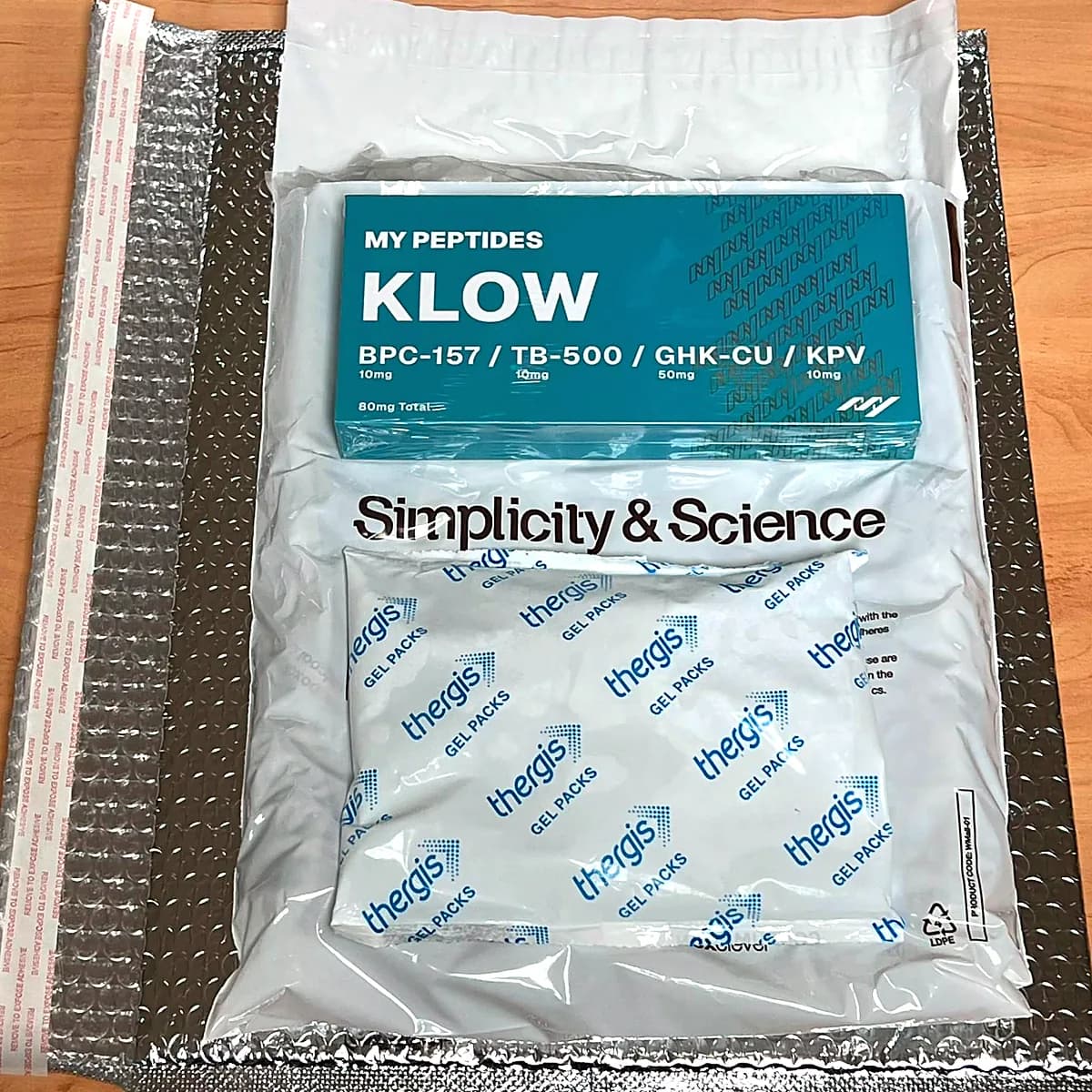
Chilled
Vials travel with frozen gel packs inside a sealed foil pouch, which holds temperature for roughly seven days in transit.
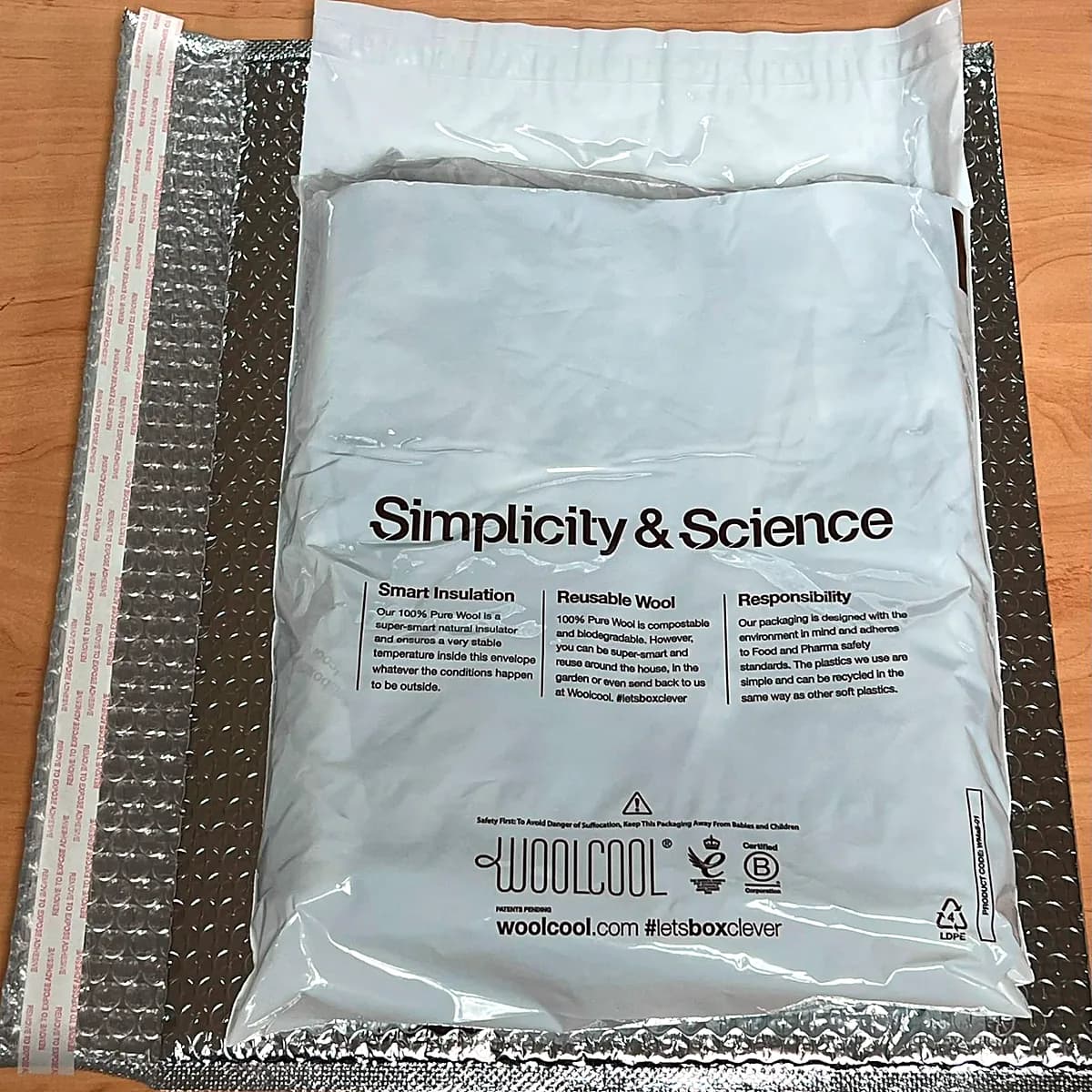
Insulated
The pouch sits inside a wool-lined envelope, so the cold chain survives a normal courier journey.
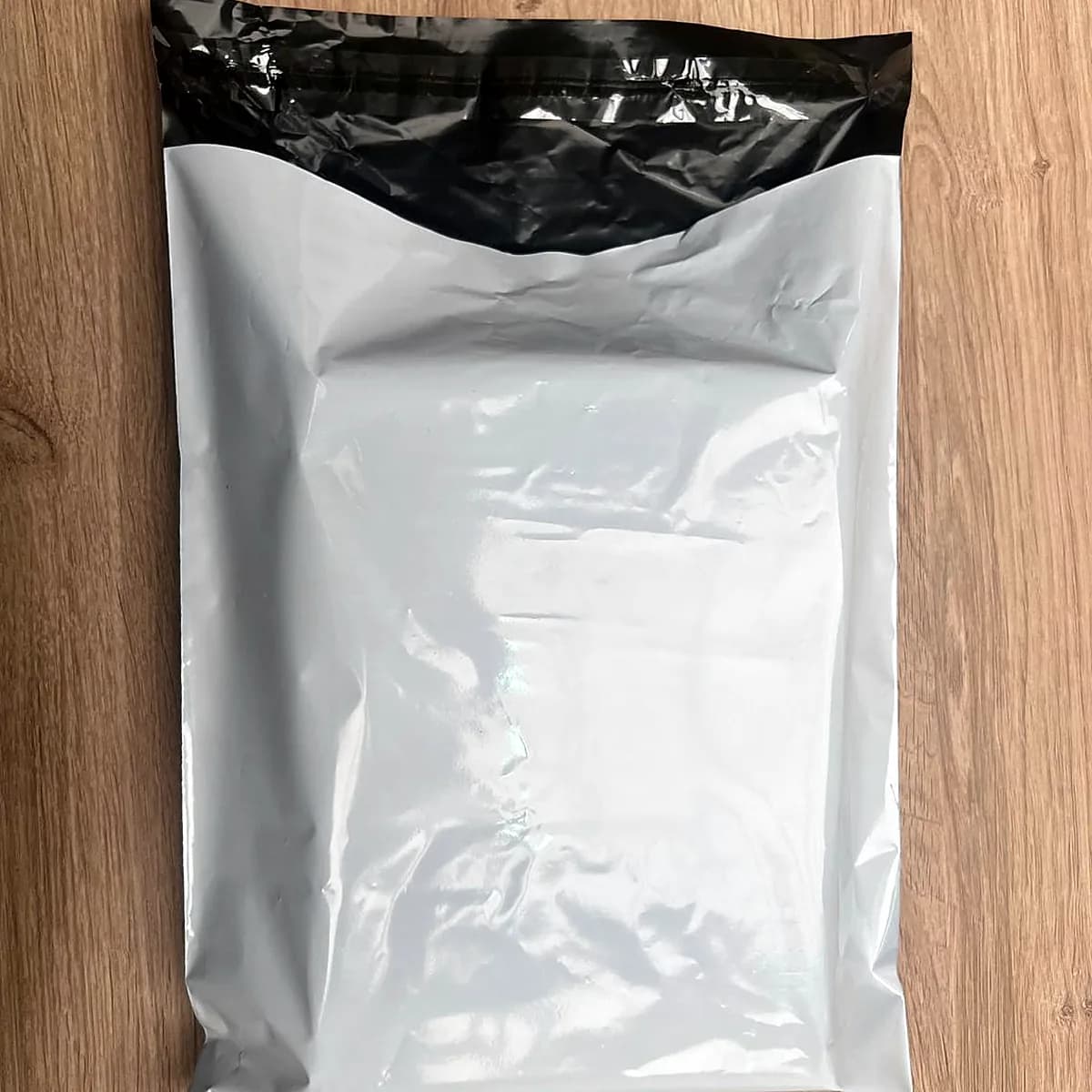
Discreet
Plain outer box with no branding and nothing on the label that names the contents.
Same-day dispatch
Order before 3pm GMT, Monday to Friday.
Free over £100
Tracked UK delivery, next working day.
2–8 °C on arrival
Refrigerate as soon as the parcel lands.
Melanotan II
£100.00 · Qty 1
Melanotan 2 (MT2): chemistry, format and quality
Melanotan 2 — written MT2, MT-2, Melanotan-2, melanotan2, and in Roman numerals as Melanotan II or MT-II — is a synthetic cyclic heptapeptide analogue of α-MSH, an endogenous peptide hormone of the melanocortin family. It is one compound under all of those spellings. Ours is supplied pre-mixed as a solution in a sealed 3 ml vial, 20mg per vial, HPLC-verified with a batch Certificate of Analysis, synthesised and dispatched from our UK facility.
Research use only. Melanotan 2 is supplied strictly as a reference compound for in-vitro laboratory research. It is not a licensed medicine in the UK and is not supplied for human or veterinary use. This page describes chemistry, nomenclature, format, quality and handling only. It does not describe dosing or administration, and it makes no therapeutic, physiological or other outcome claim of any kind.
Melanotan 2 at a glance
| Compound | Melanotan 2 (MT-II) — cyclic α-MSH analogue, seven residues |
| Sequence | Ac-Nle-cyclo[Asp-His-D-Phe-Arg-Trp-Lys]-NH₂ |
| Strength | 20mg in a 3 ml sealed vial |
| Format | Pre-mixed solution — no powder, no reconstitution step |
| Reference values | C₅₀H₆₉N₁₅O₉ · 1024.2 g/mol · CAS 121062-08-6 |
| Purity | ≥99% by HPLC, verified per batch |
| Certificate of Analysis | Batch-specific COA with every order; samples in the COA library |
| Storage | 2–8 °C, sealed, protected from light; do not freeze |
| Origin | Synthesised and dispatched from our UK facility |
Melanotan 2, MT2, Melanotan II: which name is which
There is only one molecule here, but the market writes it at least eight ways, and that fragmentation is worth clearing up before comparing any two listings.
- Melanotan 2 / Melanotan-2 / melanotan2 — the Arabic-numeral forms, and by a wide margin the ones people actually type.
- Melanotan II — the Roman-numeral form, which is how most laboratory literature and supplier certificates render it.
- MT2 / MT-2 / MT II / MT-II — the abbreviations. MT-II is the conventional form in published work; MT2 without punctuation is the form used almost everywhere else.
All of these denote CAS 121062-08-6, formula C₅₀H₆₉N₁₅O₉, 1024.2 g/mol. The numeral is a version number rather than a quantity — unlike a listing such as "MOTS-c 32", where the number is milligrams — and it distinguishes this compound from Melanotan I (afamelanotide), a different and larger linear analogue.
What Melanotan 2 is, chemically
Seven residues, acetylated at the N-terminus and amidated at the C-terminus, with a lactam bridge closing the aspartate and lysine side chains into a ring. Two residues are non-standard by design: norleucine (Nle) replacing methionine, and D-phenylalanine in place of the L isomer. All three features solve the same problem. Native α-MSH is a linear thirteen-residue hormone cleaved rapidly by peptidases; the substitutions remove the most labile positions and the cyclisation locks the backbone into a fixed conformation, producing a molecule far more resistant to enzymatic degradation than its parent. That stability is why the compound became a standard laboratory reference — a reagent that degrades during an assay is not measuring what the experiment assumes it is.
The norleucine swap does double duty: methionine's thioether sulphur is the most readily oxidised side chain in the standard amino-acid set, so removing it also closes the main oxidative-degradation route a peptide of this length would otherwise have.
Melanotan 2 and PT-141: one group apart
The single most useful thing to understand about this compound is its relationship to PT-141 (bremelanotide), which we also supply. The two are built on an identical scaffold and differ at exactly one position:
| Melanotan 2 (MT-II) | PT-141 (bremelanotide) | |
|---|---|---|
| Sequence | Ac-Nle-cyclo[Asp-His-D-Phe-Arg-Trp-Lys]-NH₂ | Ac-Nle-cyclo[Asp-His-D-Phe-Arg-Trp-Lys]-OH |
| C-terminus | Amidated | Free acid |
| Formula | C₅₀H₆₉N₁₅O₉ | C₅₀H₆₈N₁₄O₁₀ |
| Reference mass | 1024.2 g/mol | 1025.2 g/mol |
| Receptor profile | Broad agonist across MC1R, MC3R, MC4R and MC5R | Shifted toward MC4R, with markedly reduced MC1R activity |
That single substitution — an amide for a hydroxyl — is what shifts PT-141 toward MC4R selectivity. It changes the mass by about one unit and the receptor-selectivity profile substantially, which is why the pair appears together in the literature so often: they are about as close to a controlled single-variable comparison as two distinct research compounds get. MT-II is the broad-spectrum baseline, PT-141 the selective comparator, and attributing an observation to MC4R specifically rather than to melanocortin signalling generally is exactly what the pair is used for.
One unit of mass is also all that separates them in a vial, so the batch certificate is the only practical way to tell which you have.
How Melanotan 2 is studied
In biochemical and cellular systems MT-II is used as a broad, non-selective melanocortin-receptor agonist, active across MC1R, MC3R, MC4R and MC5R with negligible activity at MC2R. That wide coverage is precisely what makes it a reference tool rather than a targeted one: it is the unselective baseline against which receptor-selective analogues are characterised. Published in-vitro work uses it in receptor-binding assays across the four subtypes, in G-protein-coupled cAMP signalling and downstream transcriptional-response measurements, and in structure–activity relationship studies on cyclic α-MSH analogues, where the amide-versus-acid comparison set out above is the variable under examination. Responses reported in these systems vary with receptor subtype, concentration, exposure time, cell model and study design. They are laboratory observations only, and are not established effects in humans or animals. The Melanotan II guide covers the literature in more depth.
Pre-mixed Melanotan 2 vs lyophilised
Most UK listings for this compound are lyophilised powders that have to be reconstituted with bacteriostatic water. Ours is supplied already in solution: no reconstitution step, no bacteriostatic water to source, and the concentration shown in the key facts above holds for every vial in the batch rather than depending on what was added at the bench. The trade-off is cold chain — a solution ships chilled in an insulated pouch, goes into a 2–8 °C refrigerator on arrival, and should be used within the storage window on its label rather than kept as shelf stock.
Quality: HPLC purity and the Certificate of Analysis
Every batch is verified by HPLC at 99%+ purity, and the figure recorded on the Certificate of Analysis is the value measured for that specific batch rather than a generic claim. A batch-specific COA is supplied with every order, and sample certificates are viewable in the COA library before you buy. Given how little separates this compound from PT-141 by mass, that certificate is the identity check as much as the purity check. Material is synthesised in our own UK facility rather than imported and relabelled.
Storage and handling
- Refrigerate at 2–8 °C on arrival; keep the vial sealed and protected from light.
- Do not freeze. Repeated freezing and thawing damages peptides that are already in solution.
- Draw from the vial using standard aseptic laboratory technique.
- Check the batch certificate for the values recorded for that lot and its storage window.
The UK position, stated plainly
Melanotan II is not a licensed medicine in the United Kingdom and holds no UK marketing authorisation. There is no approved product, and consequently no pharmacy route to one. Material supplied here is a laboratory reference compound: it is sold and labelled for in-vitro research use only, it is not supplied for human or veterinary use, and purchasers must be 18 or over and acquiring it for genuine laboratory research. If you are looking for a product for personal use, this is not one, and we will not supply it on that basis. The Melanotan II reference guide sets out the regulatory background in more detail.
Buying Melanotan 2 in the UK: what to check
- Which analogue. Melanotan 2 (MT-II, 1024.2 g/mol) is not Melanotan I, and is one mass unit from PT-141; only a certificate reporting the measured mass distinguishes them.
- Mass per vial and, for a solution, the concentration — total mass alone does not say what is in a given volume.
- A batch-specific Certificate of Analysis naming the batch and the analytical method, viewable before you order.
- Format. Powder needs bacteriostatic water and a reconstitution step; a pre-mixed solution needs cold-chain delivery and a refrigerator.
- Licensing status. Melanotan II is not a licensed medicine in the UK. Every vial here is supplied and labelled strictly for in-vitro laboratory research use only.
Melanotan 2 (MT2): research FAQs
- What is Melanotan 2?
- Melanotan 2 (MT-II) is a synthetic cyclic heptapeptide analogue of α-MSH, an endogenous peptide hormone of the melanocortin family. Its sequence incorporates a norleucine substitution, a D-phenylalanine substitution and a lactam bridge that cyclises the molecule, together conferring markedly greater resistance to enzymatic degradation than the native linear hormone. Reference values are C₅₀H₆₉N₁₅O₉, 1024.2 g/mol, CAS 121062-08-6. It is supplied strictly as a reference compound for in-vitro laboratory research use only.
- Is MT2 the same as Melanotan II?
- Yes — they are the same compound written two ways. MT2, MT-2, MT II and MT-II are abbreviations; Melanotan 2, Melanotan-2 and melanotan2 are the Arabic-numeral spellings; Melanotan II is the Roman-numeral form used in most laboratory literature and on supplier certificates. All of them denote CAS 121062-08-6 at 1024.2 g/mol. Note that Melanotan I (afamelanotide) is a different and larger linear analogue, not an abbreviation of the same molecule.
- What is Melanotan 2 studied for in research?
- In biochemical and cellular systems MT-II acts as a broad, non-selective agonist across the melanocortin receptor family — MC1R, MC3R, MC4R and MC5R — with negligible activity at MC2R. That wide receptor coverage makes it a reference tool rather than a targeted one: it is the unselective baseline against which receptor-selective analogues are characterised. Published in-vitro work uses it in receptor-binding assays, in G-protein-coupled cAMP signalling and downstream transcriptional-response measurements, and in structure-activity studies on cyclic α-MSH analogues. These are laboratory observations only and are not established effects in humans or animals.
- How does Melanotan 2 differ from PT-141?
- They are built on an identical cyclic, lactam-bridged scaffold and differ at exactly one position. Melanotan 2 is C-terminally amidated (-NH₂) at C₅₀H₆₉N₁₅O₉, 1024.2 g/mol; PT-141 (bremelanotide) carries a free acid (-OH) instead at C₅₀H₆₈N₁₄O₁₀, 1025.2 g/mol. That single substitution is what shifts PT-141 toward MC4R selectivity, with markedly reduced MC1R activity, while Melanotan 2 stays broad across the family. The pair is used comparatively for exactly that reason — it is close to a controlled single-variable comparison.
- How can you tell Melanotan 2 and PT-141 apart in a vial?
- By the certificate, because roughly one mass unit separates them — 1024.2 g/mol against 1025.2 g/mol — and nothing visible in a vial distinguishes the two. A batch Certificate of Analysis reporting the measured mass is the only practical identity check, which makes it a fair question to press with any supplier who cannot produce one.
- What is the UK regulatory position on Melanotan 2?
- Melanotan II is not a licensed medicine in the United Kingdom and holds no UK marketing authorisation, so there is no approved product and no pharmacy route to one. Material supplied here is a laboratory reference compound: sold and labelled for in-vitro research use only, not supplied for human or veterinary use, and available only to purchasers aged 18 or over who are acquiring it for genuine laboratory research. If you are looking for a product for personal use, this is not one, and we will not supply it on that basis.
- What purity is your Melanotan 2, and is it lab-tested?
- Our Melanotan 2 is verified at 99%+ purity by HPLC analysis. The figure printed on each batch's Certificate of Analysis is the value recorded in the laboratory for that batch, not a generic marketing claim. Material is synthesised in our own UK facility rather than imported and relabelled.
- Is your Melanotan 2 pre-mixed or a powder?
- Pre-mixed. Most UK listings for this compound are lyophilised powders that have to be reconstituted with bacteriostatic water; ours is supplied already in solution in a sealed 3 ml vial, so there is no reconstitution step and no separate bacteriostatic water to source. The concentration shown in the key facts holds for every vial in the batch. It ships cold-chain, is refrigerated at 2°C–8°C on arrival, must not be frozen, and should be used within the storage window on the label.
- How is Melanotan 2 supplied, stored and handled for research?
- Melanotan 2 is supplied as a pre-mixed solution in a sealed 3 ml vial and shipped cold-chain. Refrigerate at 2°C–8°C as indicated on the label, keep the vial sealed and away from light, and do not freeze it — repeated freezing and thawing damages peptides already in solution. Check the batch Certificate of Analysis supplied with your order for the values recorded for that lot. Handling should follow standard aseptic laboratory practice, strictly for in-vitro research use only.
Research guides
Tools
Disclaimer: Products sold on this website are intended for research and laboratory use only. They are not intended for human or animal consumption. Purchasers must be at least 18 years of age. By using this site, you agree to our Terms & Conditions.